
from €1,692
Weight Loss Surgery
Gastric sleeve, revision, and intragastric balloon
Medical References
- [1]New England Journal of Medicine (2024). Laparoscopic sleeve gastrectomy achieves 60-70% excess weight loss at 5 years, with type 2 diabetes remission in 80% of patients. doi:10.1056/NEJMoa2312234
- [2]Obesity Surgery (2023). Bariatric surgery reduces all-cause mortality by 40% and cardiovascular events by 56% compared to non-surgical weight management over 10 years. doi:10.1007/s11695-023-06789-0
- [3]The Lancet (2023). Long-term follow-up data confirms bariatric surgery maintains significant weight loss for over 20 years, with sustained improvement in obesity-related comorbidities. doi:10.1016/S0140-6736(23)01234-5
Is it safe?
Your hospital holds the same JCI accreditation as Cleveland Clinic and Johns Hopkins. Verified by TEMOS for international patient safety.
Will the price change?
Your price is locked before you book. Surgery, hospital, hotel, transfers, aftercare — one number, no extras.
What if something goes wrong?
Mandatory insurance required by Turkish law. If a revision is needed — flights, hospital, surgeon — covered. You never pay twice.
Who's my surgeon?
Confirmed before you pay. Full credentials, specialisation, and patient results shared upfront. No last-minute switch.
What happens after I fly home?
24/7 WhatsApp with your coordinator. Scheduled video check-ups with your surgeon. 12 months, not 12 days.
Treatment Options & Pricing
| Treatment | Price (EUR) | |
|---|---|---|
| Adjustable Gastric Band Adjustable, fully reversible bariatric band — no cutting or stapling. Restriction level can be fine-tuned in clinic. | €1,692 | Book Free Consultation |
| Intragastric Balloon Non-surgical balloon placement for weight loss | €1,952 | Book Free Consultation |
| Mini Gastric Bypass Simplified single-anastomosis bypass — comparable weight loss to Roux-en-Y with shorter surgery and potential reversibility. | €2,392 | Book Free Consultation |
| Sleeve Gastrectomy Laparoscopic sleeve gastrectomy for significant weight loss | €2,442 | Book Free Consultation |
| Gastric Bypass (Roux-en-Y) Gold-standard bariatric surgery with dual mechanism: restricts intake and reduces absorption. Highest weight loss and diabetes remission rates. | €3,092 | Book Free Consultation |
| Gastric Revision Revision surgery for previous bariatric procedures | €3,692 | Book Free Consultation |
Adjustable, fully reversible bariatric band — no cutting or stapling. Restriction level can be fine-tuned in clinic.
Non-surgical balloon placement for weight loss
Simplified single-anastomosis bypass — comparable weight loss to Roux-en-Y with shorter surgery and potential reversibility.
Laparoscopic sleeve gastrectomy for significant weight loss
Gold-standard bariatric surgery with dual mechanism: restricts intake and reduces absorption. Highest weight loss and diabetes remission rates.
Revision surgery for previous bariatric procedures
Popular Combination Packages
Gastric Sleeve + Band (banded sleeve)
€3,192
- Surgeon fee
- Operating theatre + general anaesthesia
- 3 nights JCI hospital stay
- VIP airport transfers
Banded Sleeve (sleeve + silicone ring)
€3,192
- Surgeon fee
- Operating theatre + general anaesthesia
- 3 nights JCI hospital stay
- VIP airport transfers
Related Articles
Bariatric Surgery Turkey — Metabolic Surgery Istanbul from £2,093
Bariatric surgery at MedProper Istanbul. Sleeve, bypass, balloon, revision from £1,673 all-inclusive. JCI hospital, IFSO surgeons.
Read articleGastric Balloon Turkey — Non-Surgical Weight Loss from £1,673
Gastric balloon at MedProper Istanbul from £1,673 all-inclusive. Non-surgical, no incisions. Orbera and Spatz. 6-month dietary programme.
Read articleGastric Bypass Turkey — Roux-en-Y Surgery Istanbul from £2,050
Gastric bypass at MedProper Istanbul from £2,050 all-inclusive. Roux-en-Y and mini bypass. JCI hospital, IFSO surgeons, 12-month aftercare.
Read articleGastric Sleeve Turkey — Weight Loss Surgery Istanbul from €2,442
Gastric sleeve surgery at MedProper Istanbul from €2,442 all-inclusive. JCI hospital, 3-night hospital stay, 12-month dietary support.
Read articleObesity Surgery Turkey — Gastric Sleeve Istanbul from €2,442
Obesity surgery in Istanbul from €1,952 all-inclusive. Gastric balloon, sleeve gastrectomy and bariatric procedures at JCI-accredited MedProper Turkey.
Read articleWeight Loss Surgery Turkey — All-Inclusive Bariatric Packages from £1,673
Weight loss surgery at MedProper Istanbul. Gastric sleeve, bypass, balloon from £1,673 all-inclusive. JCI hospital, IFSO surgeons, 12-month aftercare.
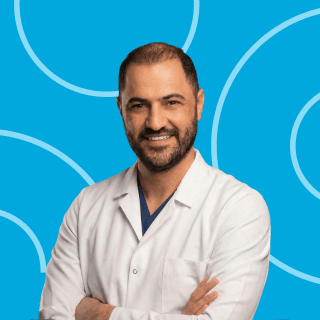
Read articleYour Surgeons at MedProper
Frequently Asked Questions (106)
How much does a gastric sleeve cost in Turkey?
At MedProper Istanbul, gastric sleeve surgery starts from £2,093 / $2,640 / €2,442 all-inclusive in 2026. Mini gastric bypass starts from £2,050 / $2,586 / €2,392, and Roux-en-Y gastric bypass from £2,650 / $3,342 / €3,092. All prices include the surgeon fee, hospital stay (3 nights for a gastric sleeve), VIP transfers, pre-operative tests, medications, supplements, and 12-month aftercare. There are no hidden charges.
How much does weight loss surgery cost in Turkey?
At MedProper Istanbul, weight loss surgery starts from £1,673 / €1,952 for a gastric balloon and from £2,093 / €2,442 for a gastric sleeve. Gastric bypass starts from £2,050 / €2,392. All prices are all-inclusive — surgeon fee, hospital, hotel where applicable, transfers, tests, medications, supplements, and 12-month aftercare. There are no hidden charges.
What is bariatric surgery?
Bariatric surgery is a group of surgical procedures that treat severe obesity by reducing stomach capacity, altering digestive hormones, or both. The term comes from the Greek baros (weight). It is a medically indicated treatment for a chronic disease, not cosmetic surgery. Procedures include gastric sleeve, gastric bypass, gastric balloon, and revisional surgery.
How much does gastric sleeve surgery cost in Turkey in pounds?
At MedProper Istanbul, gastric sleeve surgery starts from £2,093 (€2,442) in 2026. This is an all-inclusive price covering surgery, hospital stay, VIP transfers, pre-operative tests, post-operative medications, and 12-month remote nutritional support. By comparison, UK private gastric sleeve surgery costs £8,000-£13,000.
How much does gastric bypass cost in Turkey?
At MedProper Istanbul, gastric bypass (Roux-en-Y or mini bypass) starts from £2,050 / $2,586 / €2,392 all-inclusive. This covers the surgeon fee, hospital (3 nights), hotel (1 nights), VIP transfers, tests, medications, vitamin supplements, dietitian consultation, leak test, and 12-month aftercare. No hidden charges.
How much does a gastric balloon cost in Turkey?
At MedProper Istanbul, a standard gastric balloon (Orbera) starts from £1,673 / €1,952 all-inclusive. An adjustable balloon (Spatz) is priced on request. Both include the procedure, hotel, VIP transfers, a 6-month dietary programme, and balloon removal. UK prices for the same procedure range from £3,000-£6,000.
Is gastric bypass safer than gastric sleeve?
Gastric sleeve has a slightly lower mortality rate (0.08-0.19%) compared to gastric bypass (0.2-0.5%) because bypass involves two intestinal connections while sleeve involves none. However, both are very safe procedures at experienced centres, and bypass is specifically recommended for certain conditions (diabetes, GORD) where its superior outcomes justify the marginally higher complexity.
Is a gastric balloon painful?
The procedure itself is painless — you are under light sedation. In the first 3-7 days, most patients experience nausea, cramping, and a feeling of fullness as the body adjusts. MedProper provides anti-nausea medication to manage these symptoms. By day 7-10, most patients feel significantly better and the discomfort subsides.
Is weight loss surgery in Turkey safe?
Yes, when performed at an accredited facility by an experienced bariatric surgeon. MedProper operates in a JCI-accredited hospital with Level 3 intensive care, IFSO-member surgeons, dual leak testing, and 24-hour post-operative monitoring. The mortality rate for gastric sleeve at experienced centres is 0.08-0.19% — comparable to routine gallbladder surgery.
How much does bariatric surgery cost in Turkey?
At MedProper Istanbul, bariatric surgery starts from £1,673 / €1,952 for a gastric balloon and from £2,093 / €2,442 for a gastric sleeve. Gastric bypass starts from £2,650 / €3,092. All prices are all-inclusive with no hidden charges.
What is the death rate for gastric sleeve surgery in Turkey?
The mortality rate for laparoscopic sleeve gastrectomy at accredited centres is less than 0.1% (approximately 1 in 1,000 to 1 in 3,000 procedures). This is comparable to the mortality rate reported in UK NHS bariatric surgery audits (0.07%). The key safety factor is choosing a JCI-accredited hospital with experienced, IFSO-member surgeons, not the country where surgery is performed.
What is the gastric sleeve death rate in Turkey?
The mortality rate for laparoscopic sleeve gastrectomy at experienced, JCI-accredited centres is approximately 0.08 to 0.19 per cent — roughly 1 in 500 to 1 in 1,250, comparable to the rate for laparoscopic gallbladder removal. At MedProper, the risk is further reduced by standardised protocols including intraoperative and post-operative leak tests, Level 3 intensive care availability, and 24-hour monitoring.
Is gastric sleeve surgery in Turkey safe?
Yes, when performed at an accredited facility by an experienced bariatric surgeon. MedProper operates in a JCI-accredited hospital — the strictest international quality standard — with Level 3 intensive care, a named surgeon guarantee, and IFSO-member bariatric specialists. The facility has 450 beds, 18 operating theatres, and 24-hour on-site medical staffing.
Is it safe to have a gastric sleeve in Turkey?
Yes, when performed at a JCI-accredited hospital by experienced bariatric surgeons. Turkey is one of the top five countries in the world for bariatric surgery volume, which means Turkish bariatric surgeons typically have significantly higher annual case volumes than their UK counterparts. Higher volume is consistently associated with better outcomes in published surgical research. MedProper operates in a JCI-accredited hospital with surgeons who have performed over 2,000 bariatric procedures.
How much weight will I lose with a gastric balloon?
On average, patients lose 10-15% of their total body weight over 6 months with a standard balloon (Orbera), or 12-18% over 12 months with an adjustable balloon (Spatz). For a 100 kg patient, this means 10-18 kg of weight loss. Results depend significantly on adherence to the dietary programme.
What is the best weight loss surgery for me?
The best procedure depends on your BMI and health conditions. Gastric balloon suits BMI 27-35. Gastric sleeve is optimal for BMI 35-45 without severe reflux. Gastric bypass is recommended for BMI over 45, poorly controlled Type 2 diabetes, or chronic acid reflux. Your MedProper surgeon will recommend the right procedure during a free consultation.
What is the difference between Roux-en-Y and mini gastric bypass?
Roux-en-Y creates two intestinal connections (anastomoses) forming a Y-shape. Mini bypass (OAGB) creates just one connection, making it simpler, faster (60-90 min vs 90-150 min), and potentially reversible. Weight loss outcomes are similar. Your MedProper surgeon will recommend the most appropriate technique based on your anatomy and health profile.
Is bariatric surgery safe in Turkey?
Yes, when performed at an accredited centre by experienced surgeons. MedProper operates in a JCI-accredited hospital with Level 3 ICU, IFSO-member surgeons, and a dual leak test protocol. The mortality rate for gastric sleeve at experienced centres is 0.08-0.19%.
How much weight will I lose after bariatric surgery?
Most patients lose 60-75% of excess body weight within 12-18 months after surgical procedures (sleeve or bypass). Gastric balloon patients typically lose 10-15% of total body weight over 6 months. Long-term data shows 51-54% excess weight loss maintained at 10 years for sleeve gastrectomy.
What BMI do I need for gastric sleeve surgery in Turkey?
At MedProper, the minimum BMI for sleeve gastrectomy is 35, or 30 with obesity-related comorbidities such as Type 2 diabetes, hypertension, or sleep apnoea. This is lower than the typical NHS requirement of BMI 40 (or 35 with comorbidities). For patients with a BMI of 27-35, a gastric balloon may be a more appropriate option.
How much weight will I lose after gastric bypass?
Most patients lose 65-75% of excess body weight within 12-18 months. For example, if you are 40 kg above your ideal weight, you can expect to lose 26-30 kg. Weight loss continues for up to 18 months, with the most rapid loss in the first 6 months. At 10 years, 50-60% of excess weight loss is maintained.
Can a gastric balloon burst inside me?
Modern gastric balloons are made from medical-grade silicone and are extremely durable. Deflation (not "bursting") occurs in less than 1% of cases. All MedProper balloons contain a blue dye marker — if the balloon deflates, your urine turns blue or green, providing an early warning to contact your medical team for removal.
What are the complications of gastric sleeve surgery?
The most serious complication is a staple line leak, which occurs in less than 1 per cent of cases at experienced centres. MedProper's dual leak-test protocol (intraoperative and post-operative) minimises this risk. Other rare complications include bleeding, infection, and DVT. Common temporary side effects include nausea, mild pain, fatigue, and hair thinning (which resolves within 12 months).
What is the success rate of bariatric surgery?
Success rates depend on the procedure: gastric sleeve produces 60-70% excess weight loss at 12-18 months, gastric bypass produces 65-75%, and these results are largely maintained at 10 years (51-60% EWL). Type 2 diabetes remission rates are 60% for sleeve and 80%+ for bypass.
How much weight will I lose after a gastric sleeve?
Most patients lose 60 to 70 per cent of their excess body weight within 12 to 18 months. For example, if you are 30 kg above your ideal weight, you can typically expect to lose 18 to 21 kg. Weight loss continues for up to 18 months, with the most rapid loss in the first 6 months.
How long do I need to stay in Turkey for gastric sleeve?
The standard stay covers 1 day for pre-operative testing, 1 day for surgery and 3 nights in hospital for recovery, leak testing and dietitian consultation before flying home.
What BMI do I need for bariatric surgery?
At MedProper (following IFSO guidelines): BMI 35+ for surgery, BMI 30+ with comorbidities (diabetes, hypertension, sleep apnoea), and BMI 27+ for gastric balloon. The NHS requires BMI 40+ or 35+ with comorbidities.
Can gastric bypass cure Type 2 diabetes?
Gastric bypass produces Type 2 diabetes remission in over 80% of patients — the highest rate of any bariatric procedure. Remission often occurs within days of surgery, before significant weight loss, due to hormonal changes. The 2022 IFSO position statement recommends bypass as metabolic surgery for patients with BMI 30+ and poorly controlled diabetes.
Do I need to come back to Turkey for balloon removal?
MedProper recommends returning to Istanbul for removal, which is a simple 15-20 minute endoscopic procedure under light sedation. However, if travel is not possible, MedProper can provide your medical records to a local gastroenterologist in your home country who can perform the removal.
What is the death rate for weight loss surgery in Turkey?
The mortality rate for laparoscopic gastric sleeve at experienced, JCI-accredited centres is approximately 0.08-0.19% — roughly 1 in 500 to 1 in 1,250. Gastric bypass carries a rate of 0.2-0.5%. For context, untreated severe obesity carries a significantly higher long-term mortality risk than either procedure.
How long does the gastric balloon procedure take?
The procedure takes 15-20 minutes. You are under light sedation (not general anaesthesia). Most patients are in the recovery area for 2-4 hours and return to their hotel the same day. Total time at the hospital: approximately 3-4 hours including pre-procedure preparation.
What is the difference between bariatric surgery and gastric sleeve?
Bariatric surgery is the umbrella term for all weight loss surgery procedures. Gastric sleeve is one specific type of bariatric surgery — the most commonly performed. Other types include gastric bypass, gastric balloon, and revisional surgery.
What is the gastric sleeve diet after surgery?
The post-operative diet progresses through four phases: clear liquids (days 1-3), full liquids including protein shakes (days 4-14), pureed/blended foods (weeks 3-4), and soft foods (weeks 5-6), before transitioning to regular food in small portions. Protein intake (60 to 80 grams daily) is prioritised throughout. MedProper provides a detailed 12-month nutrition guide.
What diet do I follow after gastric sleeve surgery?
The post-operative diet follows four phases: clear liquids only for the first week, full liquids (including protein shakes) for weeks 2-3, pureed and soft foods for weeks 4-6, and regular foods from week 7 onwards. Protein intake should reach 60-80 grams daily by week 4. The "30/30 rule" applies: no drinking 30 minutes before or after meals.
What is the gastric bypass death rate?
The mortality rate for laparoscopic Roux-en-Y gastric bypass at experienced, JCI-accredited centres is approximately 0.2-0.5%. At MedProper's JCI-accredited facility with standardised protocols, dual leak testing, and Level 3 ICU, the risk is at the lower end of this range.
Can I get weight loss surgery with a BMI of 30?
At MedProper, patients with BMI 30-35 may qualify for surgery if they have obesity-related comorbidities such as Type 2 diabetes, hypertension, sleep apnoea, or PCOS. This follows IFSO international guidelines. The NHS typically requires BMI 40+ or 35+ with comorbidities. For BMI 27-30, a gastric balloon may be suitable.
How long does bariatric surgery take?
Gastric sleeve takes 45-75 minutes, gastric bypass takes 90-150 minutes, mini bypass takes 60-90 minutes, and gastric balloon takes 15-20 minutes. All surgical procedures are performed laparoscopically under general anaesthesia.
Will I have loose skin after gastric bypass?
After losing 65-75% of excess weight, most patients have some degree of loose skin, particularly around the abdomen, arms, thighs, and breasts. Body contouring procedures such as tummy tuck, arm lift, and breast lift are typically performed 12-18 months after bypass once weight has stabilised.
Can I exercise with a gastric balloon?
Yes. Light walking is encouraged from day 1. Most patients can resume their normal exercise routine from week 2. Exercise is an important part of the weight loss programme and is encouraged throughout the balloon period. Your MedProper nutritionist will provide exercise guidelines tailored to your fitness level.
What vitamins and supplements do I need after gastric sleeve for life?
You will need to take a bariatric multivitamin, vitamin B12, iron with vitamin C, calcium citrate with vitamin D3, and additional vitamin D3 supplements indefinitely. These are non-negotiable. Nutritional deficiencies after bariatric surgery are preventable with consistent supplementation but can cause serious health problems if neglected.
Do I need to take vitamins after a gastric sleeve?
Yes. A daily multivitamin is recommended for life after gastric sleeve surgery. Unlike gastric bypass, the sleeve does not significantly impair nutrient absorption, so the supplement requirements are less extensive. Your MedProper nutritionist will provide specific recommendations based on your blood work.
How long do I need to stay in Turkey after weight loss surgery?
Length of stay depends on the procedure: for a gastric sleeve, 3 nights in hospital; for a gastric bypass, 3 nights in hospital followed by 1 nights in a partnered hotel. Gastric balloon patients stay 5 nights in a partnered hotel. Your MedProper coordinator will provide a detailed day-by-day itinerary before you travel.
How much weight will I lose after gastric sleeve surgery?
The average excess weight loss after sleeve gastrectomy is 60-70% at 12 months. For a patient weighing 130 kg with an ideal weight of 75 kg (55 kg excess weight), this means losing approximately 33-38.5 kg in the first year. At 10 years, studies show 51-54% excess weight loss is maintained on average.
Can I have a gastric sleeve if my BMI is under 35?
At MedProper, patients with BMI 30 to 35 may qualify for gastric sleeve surgery if they have obesity-related comorbidities such as type 2 diabetes, hypertension, sleep apnoea, or PCOS. This is in line with IFSO guidelines. Many UK NHS trusts require BMI over 40, making Turkey a more accessible option.
What is the NHS waiting time for weight loss surgery?
NHS waiting lists for bariatric surgery in England typically exceed 2-3 years. London averages 28 months, Yorkshire 30 months, Scotland 22 months. Many CCGs require BMI over 50 for fast-track referral or mandate a 24-month Tier 3 programme. Only ~6,000 NHS procedures are performed annually despite ~2.9 million eligible adults. At MedProper, the wait is 2-4 weeks.
What are the long-term effects of bariatric surgery?
Long-term effects include sustained weight loss (51-60% of excess weight at 10 years), Type 2 diabetes remission (60-80%), resolution of hypertension and sleep apnoea, reduced cardiovascular mortality (50-70%), and improved quality of life. Lifelong vitamin supplementation is required after bypass and recommended after sleeve.
What happens after the gastric balloon is removed?
The balloon is removed endoscopically under light sedation (15-20 minutes). Your stomach returns to its normal size. The key question is whether you have used the balloon period to establish lasting dietary and exercise habits. Patients who follow the structured nutrition programme during the balloon period are significantly more likely to maintain their weight loss after removal.
Can gastric bypass be reversed?
Roux-en-Y gastric bypass is technically reversible but this is very rarely performed. Mini gastric bypass (OAGB) is more straightforwardly reversible due to its single connection. In practice, revision to a different configuration is more common than full reversal.
Can gastric sleeve surgery cure Type 2 diabetes?
Gastric sleeve surgery achieves complete Type 2 diabetes remission in 50-70% of patients within 12 months. Gastric bypass achieves remission in 60-80%. The metabolic effects occur within days of surgery, before significant weight loss, due to hormonal changes involving GLP-1 and other gut hormones. Patients with diabetes duration under 10 years and no insulin dependence have the highest remission rates.
What is a banded sleeve?
A banded sleeve combines a standard gastric sleeve with a silicone ring placed around the outside of the stomach at a specific point. The band acts as an additional restriction, reducing the chance of the sleeve stretching over time and potentially improving long-term weight maintenance. MedProper offers banded sleeve on request — your surgeon confirms suitability and the exact all-inclusive price after reviewing your medical questionnaire.
Can bariatric surgery cure Type 2 diabetes?
Bariatric surgery produces remission of Type 2 diabetes in approximately 60% of gastric sleeve patients and 80%+ of gastric bypass patients. Remission often occurs within days of surgery, before significant weight loss, due to hormonal and metabolic changes. Bypass is the recommended procedure specifically for diabetes treatment.
Is a gastric balloon better than Ozempic?
They serve different purposes. A gastric balloon is a one-time procedure (£1,673) with a structured 6-month dietary programme, producing 10-15% weight loss. Ozempic is an ongoing weekly injection (£200-300/month, £2,400-3,600/year) producing 15-20% weight loss but requiring lifelong use — 60-70% of weight is regained within 12 months of stopping. A balloon may be better if you prefer a one-time intervention with professional dietary support rather than indefinite medication.
Does MedProper offer payment plans?
MedProper requires a deposit at booking with the balance due before surgery. While MedProper does not directly offer monthly payment plans, many patients use medical finance providers available in the UK (from approximately £110/month). The all-inclusive price starting from £2,093 makes this significantly more manageable than UK alternatives.
What vitamins do I need after gastric bypass?
After gastric bypass, you must take for life: daily multivitamin, vitamin B12 (monthly injection or daily sublingual), iron (especially menstruating women), calcium citrate (1,200-1,500 mg/day), vitamin D (3,000 IU/day), and folate if planning pregnancy. MedProper provides 3 months of supplements and a detailed protocol for your GP.
What is the minimum BMI for a gastric balloon?
At MedProper, the minimum BMI for a gastric balloon is 27. This is significantly lower than the threshold for surgical procedures (BMI 35+ for sleeve/bypass). The balloon is specifically designed for patients in the BMI 27-35 range who have moderate excess weight but do not qualify for or do not want surgical intervention.
What happens if I have complications after returning home?
MedProper provides 12-month aftercare including 24/7 WhatsApp access to your medical team, scheduled video consultations, and dietary guidance. MedProper's mandatory complication insurance (required by Turkish Ministry of Health) covers treatment costs if a complication requires in-person care.
What is the mortality rate for bariatric surgery?
The mortality rate for laparoscopic gastric sleeve at experienced, JCI-accredited centres is approximately 0.08-0.19% (roughly 1 in 500 to 1 in 1,250). For gastric bypass, the rate is 0.2-0.5%. Both are comparable to or lower than many commonly performed surgical procedures.
How does gastric sleeve compare to Ozempic or Wegovy?
Gastric sleeve produces greater weight loss (25-30% total body weight vs 15-17% for semaglutide), is a one-time procedure rather than a lifelong medication, and costs less over 5-10 years. Semaglutide (Wegovy) costs approximately £2,400-£3,000 per year in the UK and most patients regain weight if they stop the medication. Gastric sleeve at MedProper costs £2,093 as a one-off investment with permanent anatomical change.
How long is the hospital stay after gastric sleeve?
At MedProper, you stay 3 nights in hospital after a gastric sleeve. This includes post-operative monitoring, contrast swallow testing to check for leaks, and supervised mobilisation.
How long do I stay in Turkey after gastric bypass?
Most patients stay 3 nights in hospital followed by 1 nights in a partnered hotel. You have a final check-up with your surgeon before flying home. Flights from London to Istanbul are approximately 3.5 hours.
What are the long-term results of gastric sleeve after 10 years?
Published research shows that 51-54% excess weight loss is maintained at 10 years after sleeve gastrectomy, with 61.5% of patients maintaining more than 50% excess weight loss. Additionally, 95.2% of patients report good or excellent food tolerance at 10 years. Type 2 diabetes remission is maintained in 45-55% of patients at the decade mark.
What is dumping syndrome after gastric bypass?
Dumping syndrome occurs when food, especially sugar, moves too quickly from the stomach pouch into the small intestine. Symptoms include nausea, sweating, dizziness, and diarrhoea 15-30 minutes after eating sugary foods. It affects 10-15% of bypass patients and is actually considered beneficial — it naturally discourages high-sugar eating. It is manageable with dietary changes.
When can I fly home after gastric sleeve surgery in Turkey?
Most patients fly home after discharge, following 3 nights in hospital. Flights from London to Istanbul take approximately 3.5 hours. From the USA, Turkish Airlines offers direct flights from New York (10 hours), Chicago, Los Angeles, and other major cities. Stay hydrated during the flight, walk the aisle regularly, and continue sipping clear fluids.
Is Ozempic or Wegovy a better option than weight loss surgery?
GLP-1 agonists produce 15-20% total body weight loss — significant but less than surgery (25-35%). They must be taken indefinitely at £200-£300/month; 60-70% of weight is regained within 12 months of stopping. Over 5 years, GLP-1 medications cost approximately £18,000 versus £2,093 for a gastric sleeve at MedProper. Surgery also has superior diabetes remission rates (60-80%+ vs improvement only with medication).
How do I choose between gastric sleeve and gastric bypass?
Gastric sleeve is recommended for BMI 35-45 without severe reflux — it is simpler, has lower complication rates, and requires fewer lifelong supplements. Gastric bypass is recommended for BMI over 45, Type 2 diabetes, or chronic acid reflux — it produces greater weight loss and superior metabolic outcomes. Your MedProper surgeon will recommend the best option during a free consultation.
Can I get a gastric balloon if I've had previous stomach surgery?
Generally no. Previous gastric surgery (sleeve gastrectomy, gastric bypass, gastric band) is a contraindication for gastric balloon placement. If you have had previous surgery and need further weight loss intervention, MedProper offers revisional bariatric surgery as an alternative.
What diet do I follow after bariatric surgery?
The post-operative diet progresses through four phases: clear liquids (days 1-3), full liquids including protein shakes (days 4-14), pureed foods (weeks 3-4), and soft foods (weeks 5-6), before transitioning to normal meals in small portions. Protein intake (60-80g daily) is prioritised. MedProper provides a detailed 12-month nutrition guide.
Will my GP support me after weight loss surgery abroad?
Most UK GPs will provide ongoing monitoring after surgery abroad when you share your surgical report and discharge summary. MedProper provides a comprehensive GP aftercare letter with your procedure details, supplement protocol, and recommended blood test schedule. The Medical Protection Society (MPS) confirms GPs have a professional obligation to provide appropriate follow-up regardless of where surgery was performed.
When can I return to work after a gastric sleeve?
Most patients return to desk-based work 2 to 3 weeks after surgery. Physically demanding jobs may require 4 to 6 weeks off. Light walking is encouraged from day one, and moderate exercise can typically resume at 4 to 6 weeks.
How do I book a gastric balloon at MedProper?
Contact MedProper via the website form, WhatsApp, or email with your height, weight, and medical history. You receive a personalised assessment within 48 hours confirming eligibility and an exact all-inclusive price. If you decide to proceed, pay the deposit and your coordinator arranges the procedure date, hotel, and transfers. Most patients travel to Istanbul within 2-3 weeks of booking.
Can I drink alcohol after gastric bypass?
Alcohol is absorbed much faster after gastric bypass because it enters the bloodstream more quickly through the bypassed digestive system. One drink may feel like two or three. Most surgeons recommend avoiding alcohol completely for at least 6 months and exercising extreme caution thereafter. Alcohol is also calorie-dense and can hinder weight loss.
What is the difference between gastric sleeve and gastric bypass?
Gastric sleeve removes 75-80% of the stomach without altering the intestines. Gastric bypass creates a small stomach pouch and reroutes the intestines, combining restriction with malabsorption. Bypass produces slightly higher average weight loss and better diabetes remission rates, but requires lifelong vitamin supplementation and carries a slightly higher complication rate. Sleeve is simpler, faster, and has a lower nutritional deficiency risk.
Can a gastric sleeve be reversed?
No. Gastric sleeve is irreversible because a portion of the stomach is permanently removed. This is an important factor in your decision. However, if the sleeve does not achieve the desired result, it can be converted to a gastric bypass.
How do I book weight loss surgery at MedProper?
Contact MedProper via the website form, WhatsApp, or email. Provide your height, weight, medical history, and any previous weight loss attempts. Within 48 hours you receive a personalised assessment confirming eligibility and an exact all-inclusive price. If you decide to proceed, pay the deposit and your coordinator arranges everything — surgery date, pre-operative instructions, hotel, transfers, and preparation guide.
Will I need plastic surgery after bariatric weight loss?
After losing 60-75% of excess weight, many patients have excess skin, particularly around the abdomen, arms, thighs, and breasts. Body contouring procedures such as tummy tuck, arm lift, and breast lift are typically performed 12-18 months after bariatric surgery, once weight has stabilised.
What is a gastric balloon and is it right for me?
A gastric balloon is a non-surgical option where a silicone balloon is placed in the stomach endoscopically (no incisions) to reduce stomach capacity and create early satiety. It is best suited for patients with a BMI of 27-35, produces 10-15% total body weight loss over 6-12 months, and is fully reversible. At MedProper, gastric balloon treatment starts from £1,673.
Is gastric bypass better than Ozempic?
Gastric bypass produces greater weight loss (30-35% vs 15-20% total body weight), superior Type 2 diabetes remission (80%+ vs improvement), and is a one-time procedure versus lifelong medication (£200-300/month). Over 5 years, Ozempic costs £12,000-18,000 versus from £2,050 for bypass at MedProper. Surgery is recommended for patients with BMI 35+ seeking lasting results.
Can I combine weight loss surgery with other procedures?
Weight loss surgery should not be combined with cosmetic procedures in the same session. However, many patients return to MedProper 12-18 months later for body contouring such as tummy tuck, arm lift, or breast lift to address loose skin after significant weight loss.
How long is the NHS waiting list for bariatric surgery?
NHS waiting times for bariatric surgery currently range from 22-34 months on average, depending on your region. The longest waits are in Yorkshire (30 months average, up to 45 months worst case) and London (28 months average, up to 42 months worst case). These figures do not include the time spent in Tier 3 weight management programmes before surgical referral, which can add 6-24 months.
Does MedProper accept patients over 60?
Yes, MedProper performs bariatric surgery on patients up to 65 as standard. Patients over 65 are assessed on a case-by-case basis, considering overall fitness, anaesthesia risk, and expected benefit. Additional cardiac and pulmonary testing may be required.
Will my acid reflux improve or worsen after a gastric sleeve?
Gastric sleeve may worsen pre-existing acid reflux in some patients (approximately 15 to 20 per cent). If you have significant gastroesophageal reflux disease (GORD), your surgeon may recommend a gastric bypass instead, which resolves reflux in over 90 per cent of cases. New-onset reflux after a sleeve is usually manageable with medication.
How do I book gastric bypass at MedProper?
Contact MedProper via website, WhatsApp, or email with your height, weight, and medical history. You receive a personalised assessment within 48 hours confirming eligibility and an exact all-inclusive price. Pay the deposit, complete a 2-4 week pre-operative liquid diet, and travel to Istanbul for surgery. Typical wait: 2-4 weeks from consultation.
Does MedProper offer gastric sleeve revision?
Yes. MedProper offers both sleeve-to-bypass conversion and re-sleeve procedures for patients who have had a previous gastric sleeve and need revision due to weight regain, sleeve stretching, or severe reflux. Revision surgery requires specialist assessment — contact MedProper for a free evaluation.
What is the youngest and oldest age for weight loss surgery?
MedProper performs weight loss surgery on patients aged 18-65 as standard. Patients over 65 are assessed on a case-by-case basis. For patients under 18, bariatric surgery is only considered in exceptional circumstances with specialist paediatric involvement.
How quickly can I get bariatric surgery at MedProper?
The typical timeline from initial consultation to surgery is 2-4 weeks. After your free assessment and procedure recommendation (within 48 hours), you pay the deposit, complete a 2-4 week pre-operative liquid diet, and travel to Istanbul for surgery. There are no waiting lists.
Will my UK GP provide aftercare for surgery done in Turkey?
This varies. Some GPs willingly provide blood tests and monitoring, while others may decline. MedProper addresses this by providing a printable GP aftercare protocol that explains exactly which tests are needed and when. Our 12-month remote follow-up programme includes five video consultations with a nutritionist, and you can obtain private blood tests through services like Medichecks if your GP is unable to help.
What if I need revision surgery after gastric bypass?
Revision after gastric bypass is uncommon but possible. Reasons include insufficient weight loss, weight regain, or nutritional complications. MedProper's bariatric team performs revision cases and will assess your suitability during a free consultation. Revision surgery starts from £3,164 / €3,692 all-inclusive.
Can I pay monthly for a gastric sleeve in Turkey?
MedProper requires a deposit at booking with the balance due before surgery. While MedProper does not directly offer payment plans, many patients use medical finance providers or credit facilities available in the UK and USA to spread the cost. The all-inclusive price from £2,093 makes this far more manageable than the £5,000 to £9,000 typically charged in the UK.
What happens if something goes wrong after my surgery in Turkey?
If a complication occurs while you are still in Istanbul, all treatment is covered by MedProper at no extra cost. After returning to the UK, our 24/7 clinical support line connects you with your bariatric surgeon via video consultation. If in-person treatment is needed, we coordinate with your local hospital or arrange your return to Istanbul with treatment costs covered for surgery-related complications. For emergencies, always attend A&E first.
What is the best hospital in Turkey for gastric sleeve?
Look for: JCI accreditation (the strictest international standard), a named bariatric surgeon with IFSO membership, on-site Level 3 intensive care, published leak-test protocols, and transparent all-inclusive pricing. MedProper meets all of these criteria and operates in a 55,000 m2 JCI-accredited hospital with 450 beds.
Can I bring a companion to Turkey for my surgery?
Yes. Our all-inclusive package includes companion accommodation at the hotel (shared room with the patient). Your companion can accompany you to hospital appointments, stay with you during your hospital recovery in your private room, and provide support throughout your stay. Many patients find having a trusted companion significantly reduces anxiety.
How do I book a gastric sleeve at MedProper?
Contact MedProper via the website form, WhatsApp, or email. Provide your height, weight, medical history, and any previous weight loss attempts. Within 48 hours you receive a personalised assessment confirming your eligibility and an exact all-inclusive price. If you decide to proceed, pay the deposit and your coordinator arranges everything — surgery date, pre-operative diet instructions, hotel, transfers, and preparation guide.
Does health insurance cover gastric sleeve surgery in Turkey?
Standard UK health insurance policies (BUPA, AXA, Aviva) do not typically cover elective bariatric surgery abroad. However, you should contact your insurer to check your specific policy. Specialist medical travel insurance is available and strongly recommended; it covers medical complications during your trip and typically costs £50-£150.
How soon can I fly after gastric sleeve surgery?
Most patients can fly comfortably 5-7 days after laparoscopic sleeve gastrectomy. We recommend wearing compression stockings during the flight and continuing blood-thinning injections as prescribed. Drink water frequently during the flight to stay hydrated. If your flight is longer than 4 hours, walk around the cabin periodically.
How soon can I return to work after gastric sleeve?
Most patients return to desk-based or sedentary work 10-14 days after surgery. If your job involves physical labour, heavy lifting, or extended standing, allow 4-6 weeks. Listen to your body and return to full activity gradually.
Can I get gastric sleeve revision surgery in Turkey?
Yes. MedProper performs revisional bariatric surgery from £3,164. Common revisions include sleeve-to-bypass conversion (for weight regain or chronic reflux), re-sleeve gastrectomy (for an insufficiently narrow or dilated sleeve), and band removal with conversion to sleeve or bypass. A thorough endoscopic and radiological assessment determines the best approach for each patient.
Can I exercise after gastric sleeve surgery?
Walking should begin within 12 hours of surgery and continue daily throughout recovery. Light exercise (swimming, cycling, yoga) can resume at 4 weeks. Moderate exercise (gym, running, resistance training) can resume at 6-8 weeks. Full exercise without restrictions is typically possible from 12 weeks. Exercise is essential for maintaining long-term weight loss.
What about loose skin after gastric sleeve weight loss?
Loose skin is common after significant weight loss, particularly in patients who lose 40 kg or more. The degree of loose skin depends on your age, genetics, how much weight you lose, and how quickly you lose it. Body contouring procedures (tummy tuck, arm lift, thigh lift, breast lift) can address excess skin and are recommended 12-18 months after weight stabilisation. MedProper performs all major body contouring procedures.
Can I drink alcohol after gastric sleeve surgery?
You should avoid alcohol completely for at least 6 months after surgery. After that, be aware that alcohol affects you more quickly and intensely after sleeve gastrectomy because it is absorbed faster and your tolerance is dramatically reduced. One glass of wine may have the effect of two or three. There is also a documented increase in alcohol dependency following bariatric surgery, so mindful consumption is essential.
Can I get pregnant after gastric sleeve surgery?
It is recommended to wait at least 12-18 months after bariatric surgery before becoming pregnant. This allows your weight to stabilise and your nutritional status to normalise. Bariatric surgery actually improves fertility in many women by resolving polycystic ovary syndrome (PCOS), normalising menstrual cycles, and improving hormonal balance. When you do become pregnant, close nutritional monitoring is important.
Is there financing or payment plan options for gastric sleeve in Turkey?
Contact our patient coordination team to discuss payment options. At £2,093, our gastric sleeve pricing is already substantially lower than UK financing plans, which typically start at £110-£150 per month for UK private surgery (representing £8,000-£13,000 total over 4-7 years of repayment).
Why is bariatric surgery cheaper in Turkey than the UK?
Lower operating costs, staff salaries, and hospital overheads in Turkey, combined with a favourable exchange rate (Turkish lira to British pound), government investment in medical tourism infrastructure, and high surgical volumes that create economies of scale. The surgical equipment, techniques, and safety standards are identical to those used in UK hospitals.
What is a gastric sleeve all-inclusive package?
An all-inclusive bariatric package bundles the surgery, hospital stay, hotel accommodation where included, airport transfers, pre-operative testing, post-operative medications, and follow-up care into a single price. At MedProper, our £2,093 sleeve gastrectomy package includes all of these elements plus companion accommodation, a 3-month diet plan, and 12-month remote nutritional support. The only additional costs are your flights and travel insurance.
What is a mini gastric bypass and how does it differ from a full bypass?
A mini gastric bypass (one-anastomosis gastric bypass) creates a long, tubular stomach pouch connected to a single loop of small intestine. A full Roux-en-Y gastric bypass creates a smaller pouch with two intestinal connections. The mini bypass is technically simpler, faster to perform, and produces similar weight loss results. It may carry a slightly higher risk of bile reflux. At MedProper, mini gastric bypass starts from £2,050 (€2,392).
What are the bad reviews about gastric sleeve in Turkey?
Most negative reviews relate to poor aftercare, communication difficulties, unexpected additional charges, or choosing clinics without proper accreditation. These issues are avoidable by selecting a JCI-accredited hospital with a named surgeon, transparent all-inclusive pricing, and a structured follow-up programme. MedProper provides a dedicated English-speaking coordinator, 12-month remote aftercare, and no hidden fees.
How do I choose a bariatric surgeon in Turkey?
Verify the following: JCI or ISO accreditation of the hospital; IFSO membership of the surgeon; specific bariatric surgery case volume (minimum 500 lifetime procedures); willingness to share complication data; structured follow-up programme of at least 12 months; transparent, all-inclusive pricing; clear emergency protocols. Avoid clinics that cannot provide a named surgeon, do not have hospital accreditation, or quote prices significantly below £1,500 for a sleeve gastrectomy.
Ready to Start Your Journey?
Get a personalised treatment plan with transparent pricing. No hidden fees, no obligations.
Related Procedures
Explore other procedures performed at MedProper Istanbul — often combined for comprehensive results.