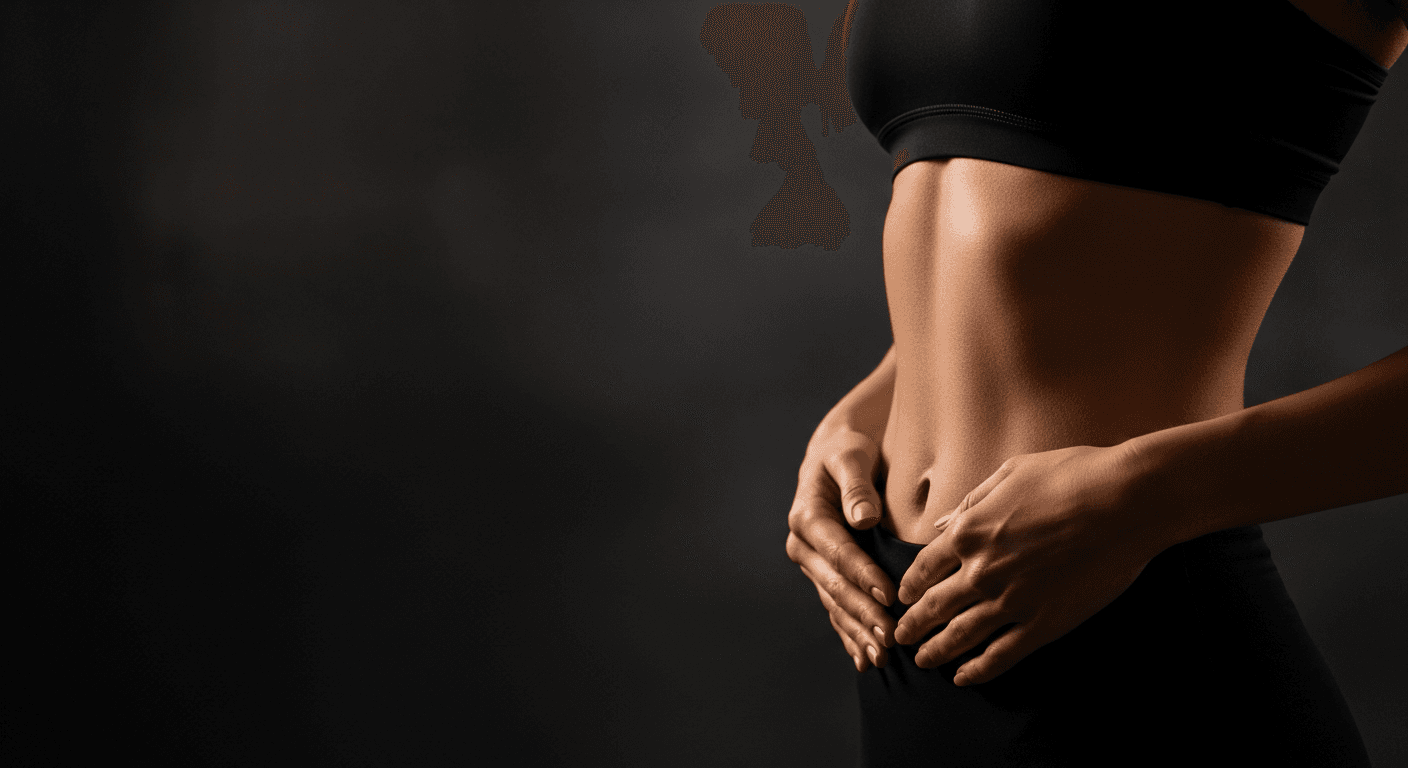
Tummy Tuck Turkey — Abdominoplasty Istanbul from €3,317
Abdominoplasty at MedProper Istanbul from €3,317 all-inclusive. Full, mini, FDL and 360 tummy tuck. Board-certified surgeons, JCI-accredited.
Is it safe?
Your hospital holds the same JCI accreditation as Cleveland Clinic and Johns Hopkins. Verified by TEMOS for international patient safety.
Will the price change?
Your price is locked before you book. Surgery, hospital, hotel, transfers, aftercare — one number, no extras.
What if something goes wrong?
Mandatory insurance required by Turkish law. If a revision is needed — flights, hospital, surgeon — covered. You never pay twice.
Who's my surgeon?
Confirmed before you pay. Full credentials, specialisation, and patient results shared upfront. No last-minute switch.
What happens after I fly home?
24/7 WhatsApp with your coordinator. Scheduled video check-ups with your surgeon. 12 months, not 12 days.
Medical References
- [1]Plastic and Reconstructive Surgery (2023). Abdominoplasty combined with rectus diastasis repair improves core strength by 40% and reduces lower back pain in 73% of patients. doi:10.1097/PRS.0000000000010567
- [2]Aesthetic Surgery Journal (2024). Progressive tension suture technique in abdominoplasty reduces seroma rates from 15% to less than 2%, significantly improving recovery. doi:10.1093/asj/sjad345
What Is a Tummy Tuck (Abdominoplasty)?
A tummy tuck -- medically known as abdominoplasty -- is a surgical procedure that removes excess skin and fat from the abdomen while restoring weakened or separated abdominal muscles to create a firmer, flatter, and more contoured midsection. It is one of the most sought-after body contouring procedures in the world, consistently ranking among the top five cosmetic surgeries performed each year.
Many people who eat well, exercise regularly, and maintain a healthy weight still struggle with a protruding or sagging abdomen. This is because factors such as pregnancy, significant weight loss, ageing, and genetic predisposition can cause changes that no amount of dieting or core training can reverse. Specifically, two anatomical problems tend to persist:
- Excess skin and stretch marks -- When the abdominal skin has been stretched beyond its elastic limit (through pregnancy, obesity, or rapid weight fluctuation), it cannot retract on its own. The result is loose, hanging skin that sits below the waistline, causes chafing, and makes clothing difficult to fit.
- Diastasis recti (muscle separation) -- The two vertical bands of the rectus abdominis muscle, which run from the ribcage to the pubic bone, can separate along the midline. This separation weakens the abdominal wall, leads to a persistent "pooch" or bulge, and may contribute to lower-back pain and poor posture.
Abdominoplasty addresses both of these problems in a single operation. The surgeon removes the redundant skin, tightens the underlying muscle fascia with internal sutures, and repositions the belly button to achieve a natural appearance. When performed by an experienced, board-certified plastic surgeon in an accredited facility, a tummy tuck delivers dramatic, long-lasting results that can restore both confidence and physical comfort.
At MedProper Turkey, we perform tummy tuck surgery in our JCI-accredited hospital in Istanbul, combining world-class surgical standards with all-inclusive pricing that saves UK patients up to 67% compared to equivalent procedures at home. This page provides a comprehensive, medically accurate guide to every aspect of tummy tuck surgery in Turkey -- from candidacy and technique to recovery, costs, scar management, and safety.
Types of Tummy Tuck at MedProper
There is no single "one-size-fits-all" abdominoplasty. The correct technique depends on how much excess skin you have, whether your muscles need repair, where fat deposits are concentrated, and your overall body goals. Our surgeons will recommend the most appropriate type during your free online consultation, but understanding the options in advance helps you have an informed conversation.
Mini Tummy Tuck (Partial Abdominoplasty)
A mini tummy tuck targets only the area below the belly button. It involves a shorter incision (typically 15-20 cm), limited skin removal, and little to no muscle repair. The belly button is not repositioned.
Best suited for patients who:
- Have a small amount of loose skin confined to the lower abdomen
- Do not have significant diastasis recti
- Are close to their ideal weight
- Want a shorter scar and faster recovery
Key details:
- Operating time: 1-1.5 hours
- Scar: Low, horizontal, hidden within the bikini line
- Recovery: Return to desk work in 7-10 days; exercise at 4-6 weeks
- Hospital nights: 1
A mini tummy tuck is not appropriate if you have excess skin above the navel or need muscle tightening across the full length of the abdomen.
Full Tummy Tuck (Standard Abdominoplasty)
The full tummy tuck is the most commonly performed variation. It addresses the entire front of the abdomen, from the pubic area to the ribcage. The incision runs hip to hip along the bikini line, and a second incision is made around the navel so the belly button can be repositioned after skin is removed.
Best suited for patients who:
- Have moderate to significant excess skin above and below the belly button
- Have diastasis recti requiring muscle repair
- Have had one or more pregnancies
- Have lost a moderate amount of weight (2-4 stone)
Key details:
- Operating time: 2-3 hours
- Scar: Horizontal, hip to hip, plus a small circular scar around the navel
- Recovery: Return to desk work in 2 weeks; exercise at 6-8 weeks
- Hospital nights: 1
During the procedure, the surgeon lifts the abdominal skin flap up to the ribcage, plicates (stitches together) the separated rectus muscles along the midline, removes the excess skin, and creates a new opening for the belly button.
Extended Tummy Tuck
An extended tummy tuck follows the same principles as a full abdominoplasty but extends the incision further around the hips to address excess skin on the flanks (love handles). This is particularly beneficial for patients whose skin laxity wraps around the sides of the torso.
Best suited for patients who:
- Have significant skin excess extending to the flanks
- Have lost a large amount of weight
- Want improvement to both the front and sides of the abdomen
Key details:
- Operating time: 3-4 hours
- Scar: Extends from the hip line around toward the lower back
- Recovery: Similar to full tummy tuck; exercise at 6-8 weeks
- Hospital nights: 1
360 Tummy Tuck (Circumferential Body Lift)
The 360 abdominoplasty -- also called a circumferential body lift or belt lipectomy -- is the most comprehensive option. It treats the entire circumference of the lower trunk: front, flanks, and lower back. A continuous incision encircles the body, allowing the surgeon to remove excess skin and fat from all angles and lift the buttocks at the same time.
Best suited for patients who:
- Have lost a very large amount of weight (typically 5+ stone, often post-bariatric surgery)
- Have circumferential skin excess around the entire lower torso
- Want dramatic improvement to the abdomen, flanks, back, and buttock position
Key details:
- Operating time: 4-6 hours
- Scar: A full 360-degree scar around the waistline
- Recovery: Return to desk work in 3-4 weeks; exercise at 8-10 weeks
- Hospital nights: 1
The 360 tummy tuck delivers the most transformative results for post-bariatric patients but requires a longer operating time, a more involved recovery, and a surgeon experienced in body contouring after massive weight loss.
Fleur-de-Lis Tummy Tuck (After Major Weight Loss)
The Fleur-de-Lis technique adds a vertical incision running from the breastbone down to the pubic area, in addition to the standard horizontal incision. This creates a T-shaped or inverted-T scar pattern and allows the surgeon to remove excess skin in both the vertical and horizontal planes.
Best suited for patients who:
- Have lost a very significant amount of weight and have skin excess in multiple directions
- Have a wide, heavy skin apron (panniculus) that cannot be addressed with horizontal excision alone
- Accept a visible vertical midline scar in exchange for a dramatically improved body contour
Key details:
- Operating time: 3-5 hours
- Scar: Horizontal (bikini line) plus vertical (midline) -- an inverted-T shape
- Recovery: Similar to a full tummy tuck, with additional care for the vertical incision
- Hospital nights: 1
The trade-off with a Fleur-de-Lis abdominoplasty is the additional scar. However, for patients who have experienced massive weight loss, the cosmetic and functional improvement is substantial and the scar fades significantly over 12-18 months.
Drainless Tummy Tuck (Progressive Tension Sutures)
Traditional tummy tuck surgery uses surgical drains -- thin tubes placed under the skin to collect fluid (seroma) for 5-10 days post-operatively. A drainless tummy tuck uses progressive tension sutures (PTS) to close the dead space between the abdominal skin flap and the muscle wall, eliminating or significantly reducing the need for drains.
Advantages of the drainless technique:
- No drain tubes to manage at the hotel or during travel
- Reduced risk of seroma (fluid collection)
- Faster mobilisation and greater comfort in the first week
- Equally safe as the traditional approach in published studies
Our surgeons use drainless techniques where clinically appropriate, typically for mini and standard full tummy tucks. For extended and 360 procedures, a short-term drain may still be advisable. This will be discussed during your pre-operative assessment.
Tummy Tuck Turkey Cost 2026
One of the primary reasons UK and US patients choose to have their tummy tuck in Turkey is the significant cost saving -- up to 67% less than the same procedure at home, with no compromise on surgical quality, hospital standards, or aftercare.
Below are our 2026 all-inclusive prices at MedProper Istanbul:
| Procedure | MedProper (GBP) | MedProper (USD) | MedProper (EUR) | UK Private | USA Private | You Save |
|---|---|---|---|---|---|---|
| Mini Tummy Tuck | from £2,843 | from $3,586 | from €3,317 | £4,500-£7,000 | $6,000-$9,000 | up to 59% |
| Full Tummy Tuck | from £3,743 | from $4,721 | from €4,367 | £6,000-£10,000 | $8,000-$12,000 | up to 62% |
| Tummy Tuck + Liposuction | from £5,127 | from $6,467 | from €5,982 | £8,000-£13,000 | $10,000-$16,000 | up to 60% |
| 360 Abdominoplasty | from £4,857 | from $6,126 | from €5,667 | £9,000-£15,000 | $12,000-$18,000 | up to 67% |
All prices are valid for 2026 and include hospital, surgeon, anaesthesia, transfers, hotel, and aftercare. No hidden charges. The price you are quoted is the price you pay.
How Do We Keep Prices This Low?
The cost difference is not about cutting corners. It reflects genuine economic factors:
- Lower operating costs -- Hospital overheads, staff salaries, and medical supplies cost significantly less in Turkey than in the UK.
- Favourable exchange rate -- The British pound is strong against the Turkish lira, amplifying your purchasing power.
- Volume and specialisation -- Istanbul is the world capital of cosmetic surgery. High patient volumes allow clinics to negotiate better rates with hospitals and suppliers.
- Government support -- The Turkish government actively supports medical tourism infrastructure, including tax incentives for accredited facilities.
These savings are structural, not qualitative. You receive the same implants, sutures, and surgical equipment used in Harley Street clinics -- at a fraction of the cost.
Turkey vs UK vs USA: Full Cost Comparison
To truly understand the value, it helps to see how costs break down component by component:
| Cost Component | UK (Full Tummy Tuck) | USA (Full Tummy Tuck) | MedProper Turkey |
|---|---|---|---|
| Surgeon fee | £3,000-£5,000 | $5,000-$8,000 | Included |
| Anaesthetist fee | £500-£1,000 | $1,000-$2,000 | Included |
| Hospital/facility fee | £1,500-£3,000 | $2,500-$4,000 | Included |
| Pre-operative tests | £200-£400 | $300-$600 | Included |
| Compression garment | £50-£120 | $60-$150 | Included |
| Post-op medications | £30-£80 | $50-$200 | Included |
| Follow-up appointments | £150-£300 per visit | $200-$400 per visit | Included (in-person + remote) |
| Hotel (6 nights) | N/A | N/A | Included (4-5 star) |
| Airport transfers | N/A | N/A | Included (private VIP) |
| Total | £6,000-£10,000+ | $8,000-$15,000+ | from £2,843 / $3,586 |
When you factor in that UK and US patients must also arrange their own aftercare, purchase compression garments separately, and pay for each follow-up visit, the true cost gap widens even further.
What About Flights?
Return flights from London to Istanbul typically cost £80-£200 with airlines such as Turkish Airlines, easyJet, Pegasus, and Wizz Air. Flights from major US cities (New York, Miami, Los Angeles) to Istanbul typically cost $400-$700 round trip with Turkish Airlines, which offers direct flights from several US hubs. Even adding flights, the total cost of a tummy tuck at MedProper is less than half the UK or US price.
What Is Included in Our All-Inclusive Package?
When we say "all-inclusive," we mean it. Every tummy tuck package at MedProper includes:
- Free online video consultation with your assigned surgeon
- Pre-operative blood tests and medical screening at the hospital
- Surgery and all surgical materials (sutures, drains if used, surgical garments)
- General anaesthesia administered by a specialist anaesthesiologist
- Hospital stay in a private room (hospital nights: 1)
- Post-operative compression garment fitted before discharge
- All prescribed medications for your recovery
- 4 or 5-star hotel accommodation (6 nights, breakfast included)
- Private VIP airport transfers (airport to hotel, hotel to hospital, and return)
- Dedicated English-speaking patient coordinator available by phone and WhatsApp throughout your stay
- In-person post-operative check-ups before you fly home
- 12 months of remote aftercare via WhatsApp and video call after you return to the UK
Not included: Flights to and from Istanbul, travel insurance, and personal expenses.
Am I a Good Candidate?
A tummy tuck can produce life-changing results, but it is a significant surgical procedure and is not suitable for everyone. The following sections outline the key candidacy criteria our surgeons assess.
BMI Requirements
Body mass index (BMI) is one of the first factors evaluated. As a general guideline:
- BMI under 30 -- Ideal candidate for most tummy tuck types
- BMI 30-35 -- Surgery is possible but with slightly elevated anaesthetic and wound-healing risks. Your surgeon may recommend losing some weight first.
- BMI over 35 -- Most reputable surgeons will advise reaching a lower BMI before proceeding. Operating on patients with a BMI above 35 significantly increases the risk of complications including deep vein thrombosis (DVT), wound infection, poor healing, and seroma.
At MedProper, we take a responsible, patient-first approach. If your BMI is above the safe threshold for surgery, your surgeon will discuss a realistic timeline and weight-management strategies to help you become eligible. We would rather postpone your procedure than put your health at risk.
To calculate your BMI: Divide your weight in kilograms by your height in metres squared. For example, if you weigh 80 kg and are 1.70 m tall: 80 / (1.70 x 1.70) = 27.7.
After Pregnancy and C-Section
A tummy tuck after pregnancy is one of the most common reasons women seek abdominoplasty. Pregnancy causes the abdominal muscles to stretch and separate (diastasis recti), the skin to lose elasticity, and stubborn fat deposits to form around the midsection. A Caesarean section adds a horizontal scar in the lower abdomen.
Key considerations for post-pregnancy patients:
- Wait at least 12 months after your last delivery (vaginal or C-section) before having a tummy tuck. This allows your body to recover fully, your weight to stabilise, and any breastfeeding to conclude.
- Complete your family first. A tummy tuck does not prevent future pregnancies, but a subsequent pregnancy will stretch the repaired muscles and skin, potentially undoing the results. We strongly recommend having the procedure only once you are confident you will not have more children.
- The C-section scar is incorporated. In most cases, the tummy tuck incision is placed at or below the existing C-section scar, meaning the old scar is removed as part of the excess skin excision. You trade one scar for another -- but the tummy tuck scar is typically thinner, lower, and hidden within the bikini line.
- Muscle repair is the key benefit. For many post-pregnancy patients, it is the muscle plication (tightening the separated rectus abdominis) that makes the most dramatic difference, restoring a flat profile that no amount of exercise could achieve.
After Major Weight Loss (Post-Bariatric)
Patients who have lost a large amount of weight -- whether through bariatric surgery (gastric sleeve, gastric bypass), medication, or lifestyle changes -- often face a different challenge: extensive loose skin that hangs from the abdomen, flanks, and back. This skin excess can cause:
- Physical discomfort and skin-fold infections (intertrigo)
- Difficulty with hygiene
- Restriction of movement and exercise
- Significant psychological distress
For post-bariatric patients, a standard full tummy tuck may not be sufficient. We typically recommend an extended tummy tuck, a 360 abdominoplasty, or a Fleur-de-Lis abdominoplasty depending on the extent and distribution of excess skin.
Important: You should wait until your weight has been stable for at least 6-12 months before undergoing body contouring surgery. Continued weight loss after surgery can lead to recurrent skin laxity and compromise your results.
When NHS Says No: Turkey as Your Alternative
In the UK, the NHS very rarely funds abdominoplasty for cosmetic reasons. Even when there is a functional indication -- such as chronic skin-fold infections, back pain caused by a heavy panniculus, or significant psychological impact -- funding approval is inconsistent and varies dramatically by postcode. Many Clinical Commissioning Groups (CCGs) classify abdominoplasty as a "procedure of low clinical priority" and impose strict criteria that exclude the majority of applicants.
The private alternative in the UK is expensive, with full tummy tucks costing £6,000-£10,000 and often requiring months-long waiting lists at reputable clinics.
For patients who have been declined by the NHS and cannot afford UK private prices, having a tummy tuck at an internationally accredited clinic in Turkey offers a genuine, safe, and affordable alternative. At MedProper, you receive the same calibre of surgery you would expect from a leading UK private hospital -- at a price that makes the procedure accessible.
How Is a Tummy Tuck Performed? Step by Step
Understanding what happens during surgery helps reduce anxiety and set realistic expectations. Here is the step-by-step process for a standard full tummy tuck at MedProper:
Step 1: Pre-operative marking On the morning of surgery, your surgeon will draw precise markings on your abdomen while you are standing. These markings indicate the planned incision lines, the amount of skin to be removed, and any areas for liposuction if combined.
Step 2: Anaesthesia A tummy tuck is performed under general anaesthesia. Our specialist anaesthesiologist will administer the anaesthetic and monitor you continuously throughout the procedure.
Step 3: The incision The primary incision is made along the lower abdomen, from hip to hip, following the natural crease of the bikini line. The length of the incision depends on the amount of skin to be removed. A second small incision is made around the belly button.
Step 4: Skin flap elevation The surgeon carefully lifts the abdominal skin and fat away from the underlying muscle wall, working upward toward the ribcage. This creates a "flap" that can be pulled downward.
Step 5: Muscle repair (plication) Using strong, permanent internal sutures, the surgeon brings the separated rectus abdominis muscles back together along the midline, from the ribcage to the pubic bone. This is the step that creates a flat, firm abdominal profile and narrows the waistline.
Step 6: Excess skin removal The skin flap is pulled down firmly, and the redundant skin and fat between the belly button and the pubic area is excised. This is typically the most significant visible change.
Step 7: Navel repositioning The belly button (which remains attached to its blood supply on the muscle wall) is brought out through a new opening in the re-draped skin and sutured into place.
Step 8: Closure and dressing The incisions are closed in layers using dissolvable internal sutures and fine external sutures or skin adhesive. Drains may be placed (unless the drainless technique is used). A compression garment is applied immediately.
Step 9: Recovery room You are taken to a monitored recovery area where our nursing staff will check your vital signs, manage your pain, and ensure you are comfortable before being transferred to your private room.
The entire procedure takes approximately 2-3 hours for a standard full tummy tuck, longer for extended or 360 procedures.
Your Journey at MedProper Istanbul
From the moment you land in Istanbul to the day you fly home, every detail of your trip is organised for you. Here is what a typical tummy tuck journey looks like:
Day 1 -- Arrival Your private VIP driver meets you at Istanbul Airport and takes you to your 4 or 5-star hotel. You settle in and receive a welcome call from your patient coordinator confirming the schedule for the following day. Rest and hydrate.
Day 2 -- Pre-operative assessments Your coordinator accompanies you to the hospital for pre-operative blood tests, an ECG, and a physical examination. You meet your surgeon for a final face-to-face consultation, during which the surgical plan is reviewed, markings are discussed, and you have the opportunity to ask any remaining questions. You sign the informed consent form.
Day 3 -- Surgery day You are admitted to the hospital in the morning (nil by mouth from midnight). Surgery takes place under general anaesthesia. After the procedure, you wake in a private room with nursing staff monitoring your recovery. Pain is managed with intravenous and oral medications. You will be encouraged to take short, gentle walks within the room by the evening.
Day 4 -- Hospital recovery You spend the morning in the hospital for monitoring. Your surgeon visits to check the surgical site, assess drain output (if applicable), and review your pain management. Light meals are introduced. Gentle mobilisation continues.
Day 5 -- Rest at the hotel If your surgeon was satisfied with your recovery, you were discharged to your hotel the previous afternoon. You are given written aftercare instructions, prescribed medications, and the direct WhatsApp number of your patient coordinator for any concerns. You wear your compression garment continuously.
Day 6 -- Post-op check-up and rest You return to the hospital for a post-operative check-up. Your surgeon inspects the incision, removes or adjusts drains if used, and clears you for travel. The rest of the day is yours to rest at the hotel.
Last day -- Fly home Your private driver takes you to the airport. You fly home to the UK wearing your compression garment and carrying your aftercare pack. Our team remains available by WhatsApp and will schedule a video-call follow-up within 7 days of your return.
Note: The exact itinerary may vary. Your package covers hospital (nights: 1) and hotel (nights: 6). We are flexible and will tailor the schedule to your needs and procedure type.
Recovery Timeline: Week by Week
Recovery from a tummy tuck is a gradual process. Knowing what to expect at each stage helps you plan your time off work, arrange childcare, and set realistic expectations.
| Timeframe | What to Expect | Key Milestones |
|---|---|---|
| Days 1-3 | Moderate to significant pain and swelling. Difficulty standing fully upright. Walking in a slightly hunched position is normal. | Gentle walking several times a day. Pain managed with prescribed medication. |
| Days 4-7 | Pain begins to decrease. Bruising and swelling remain significant. Drains removed (if used). You can shower carefully. | Discharged from hospital. Fly home (if Day 7+). |
| Week 2 | Swelling starts to subside. You can stand more upright. Light domestic activities are possible. | Most patients return to desk work. Driving short distances may be possible. |
| Week 3-4 | Continued improvement in comfort and mobility. The "tight" feeling across the abdomen gradually eases. | Light walking for exercise. Compression garment worn 24/7 except when washing. |
| Week 5-6 | Swelling continues to reduce. Energy levels improve. The incision line begins to mature. | Gradual return to light exercise (walking, stationary bike). No heavy lifting. |
| Week 8 | Most patients feel largely recovered. Some residual swelling and numbness near the incision is normal. | Return to gym and more vigorous exercise. Compression garment worn 12 hours/day. |
| Month 3 | Scar is still pink/red but flattening. Sensation gradually returning. Results becoming clearly visible. | Most swelling resolved. Scar management protocol begins (see below). |
| Month 6-12 | Scar continues to fade. Final contour emerges as all swelling resolves. Abdominal numbness improving. | Final results visible. Scar now pale pink, flat, and easily concealed. |
Important recovery rules:
- Wear your compression garment as directed (typically 6-8 weeks, 24 hours/day initially)
- No heavy lifting (over 5 kg) for 6 weeks
- Sleep on your back in a reclined position for 2-3 weeks
- Stay well hydrated and eat a protein-rich diet to support healing
- Do not smoke for at least 4 weeks before and after surgery -- smoking dramatically impairs wound healing
- Attend all follow-up appointments (in-person and remote)
When Can I Fly Home?
This is one of the most frequently asked questions from UK patients considering a tummy tuck in Turkey. Most patients fly home at the end of their package stay, which depends on the type of procedure:
- Mini tummy tuck: hospital nights 1, hotel nights 6.
- Full tummy tuck: hospital nights 1, hotel nights 6.
- Extended or 360 tummy tuck: hospital nights 1, hotel nights 6.
Flying after abdominoplasty -- safety considerations:
- The flight from Istanbul to the UK is approximately 3.5-4 hours, which is relatively short and well-tolerated by most patients.
- You will be prescribed compression stockings and blood-thinning injections (low-molecular-weight heparin) to minimise the risk of deep vein thrombosis (DVT) during the flight.
- Request an aisle seat so you can stand and walk in the cabin every 30-45 minutes.
- Wear loose, comfortable clothing over your compression garment.
- Stay well hydrated and avoid alcohol.
- Your compression garment should be worn throughout the flight.
Our surgeons will not clear you for travel until they are confident it is safe to do so. If your recovery requires an additional day or two, your hotel stay will be extended at no extra charge.
Tummy Tuck Scar Guide
Scarring is an inevitable part of any tummy tuck. The good news is that tummy tuck scars are strategically placed to be hidden beneath underwear and swimwear, and with proper care, they fade significantly over time.
Scar Location by Procedure Type
- Mini tummy tuck: A short horizontal scar (15-20 cm) in the lower abdomen, within the bikini line.
- Full tummy tuck: A longer horizontal scar from hip to hip, plus a small circular scar around the belly button.
- Extended tummy tuck: The horizontal scar extends further around the hips.
- 360 abdominoplasty: A continuous scar encircling the entire waistline.
- Fleur-de-Lis: An inverted-T scar (horizontal plus vertical midline).
Scar Maturation Timeline
| Timeline | Scar Appearance | What Is Happening |
|---|---|---|
| 0-3 months | Red, raised, firm, and possibly itchy | Active healing phase; collagen production is at its peak |
| 3-6 months | Pink to dark pink; beginning to flatten | Collagen remodelling begins; scar softens |
| 6-12 months | Pale pink; noticeably flatter and softer | Continued remodelling; colour fading |
| 12-18 months | Pale, thin line; close to final appearance | Maturation phase nearing completion |
| 18-24 months | Final result -- typically a thin, pale line | Scar is fully mature |
Scar Management Protocol
At MedProper, we provide a post-operative scar management protocol designed to optimise your scar outcome:
- Weeks 1-4: Keep the incision clean, dry, and protected. Do not apply any creams or ointments until your surgeon confirms the wound is fully closed.
- Week 4 onwards: Begin applying medical-grade silicone scar gel or sheets (e.g., Dermatix, Kelo-Cote, or ScarAway) twice daily. Silicone is the only scar treatment with strong clinical evidence supporting its effectiveness.
- Month 2 onwards: Gentle scar massage with a moisturiser or silicone gel for 5 minutes, twice daily. This helps break down excess collagen and flatten the scar.
- Ongoing: Protect your scar from direct sun exposure for at least 12 months. UV radiation causes scars to darken permanently. Use SPF 50 or keep the area covered.
- If needed: For scars that remain raised or hypertrophic after 6 months, treatments such as steroid injections, laser therapy, or microneedling can be discussed during your remote follow-up consultations.
Most patients are pleasantly surprised by how well their scars heal. By 12-18 months, the typical tummy tuck scar is a thin, pale line that is easily concealed by underwear or a bikini.
Is a Tummy Tuck Safe in Turkey?
Safety is -- rightly -- the number one concern for anyone considering surgery abroad. Turkey has become the global leader in cosmetic surgery, performing over 1.2 million procedures per year, but the quality of clinics and surgeons varies enormously. At MedProper, we hold ourselves to the highest international standards.
JCI Accreditation
MedProper operates within a JCI (Joint Commission International) accredited hospital. JCI is the gold standard in global healthcare accreditation, recognised by the World Health Organisation. Fewer than 5% of hospitals worldwide hold JCI accreditation.
What JCI accreditation means for you:
- Rigorous patient safety protocols equivalent to the best NHS and private hospitals
- Regular, independent audits of surgical outcomes, infection control, medication management, and patient rights
- Mandatory reporting and investigation of adverse events
- Staff credentialing requirements for all surgeons, anaesthesiologists, and nurses
- Emergency response systems tested and verified
Our Surgeons
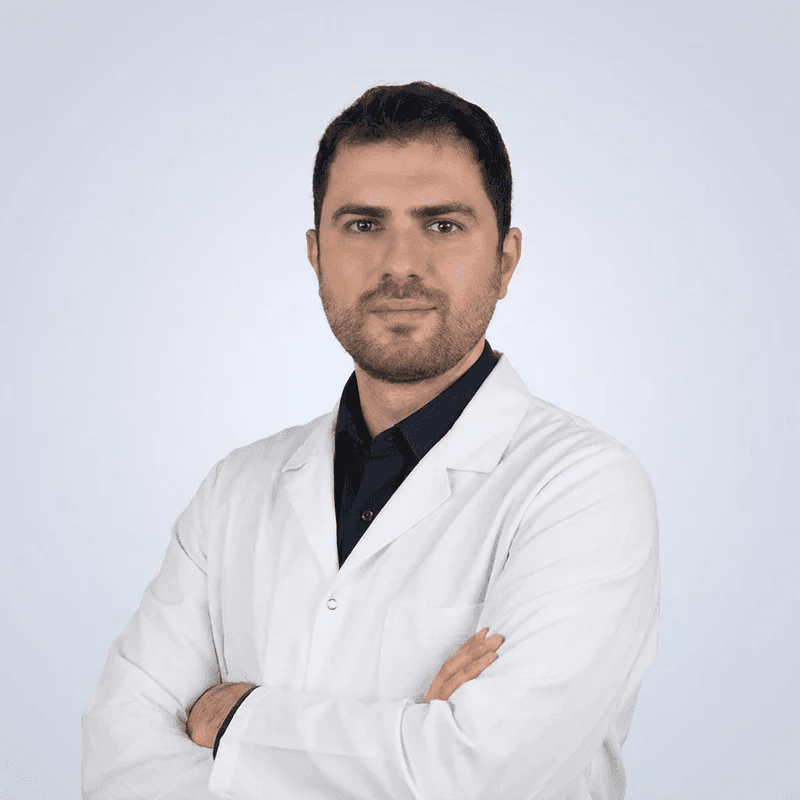
Every tummy tuck at MedProper is performed by a board-certified plastic surgeon who is:
- A member of the Turkish Society of Plastic, Reconstructive and Aesthetic Surgery (TPCD)
- Trained in both reconstructive and aesthetic surgery
- Experienced in performing hundreds of abdominoplasty procedures per year
- Fluent in English or supported by a medical interpreter during consultations
Our surgeons do not delegate to junior doctors or trainees. The surgeon you consult with is the surgeon who operates on you.
How to Choose a Safe Clinic
If you are comparing clinics in Turkey, here are the critical safety checks we recommend -- whether you choose MedProper or another provider:
- Verify accreditation. Look for JCI or ISO accreditation. Ask to see the certificate.
- Check the credentials of the surgeon. Confirm they are board-certified in plastic surgery (not general surgery, dermatology, or another speciality).
- Ask where surgery is performed. It should be in a fully equipped hospital, not a small private clinic or outpatient facility.
- Read patient reviews on independent platforms. Google Reviews, Trustpilot, and RealSelf are more reliable than testimonials on a clinic website.
- Confirm aftercare provisions. What happens if you have a problem at 2 AM? Is there 24/7 medical support?
- Ask about complication management. What is the protocol if something goes wrong during your stay or after you return home?
- Beware of prices that seem too good to be true. Extremely low prices may indicate an unaccredited facility, an inexperienced surgeon, or hidden charges.
What Happens If Something Goes Wrong?
This is a question every patient should ask -- and every responsible clinic should answer openly. Complications, while uncommon, can occur with any surgery. Here is how MedProper handles them:
During your stay in Istanbul:
- You have 24/7 access to your surgeon and the hospital emergency department throughout your stay.
- If a complication arises (e.g., haematoma, wound dehiscence, infection), your surgeon will assess and treat you immediately at no additional cost.
- If an extended hospital stay is required, it is provided at no extra charge.
- Your hotel stay will be extended as needed, at no cost to you.
After you return to the UK:
- Our 12-month remote aftercare programme means you can contact your surgeon and patient coordinator via WhatsApp and video call at any time.
- If you experience a concern (e.g., wound-healing issue, unusual swelling, scar problem), you send photos and receive a clinical assessment, usually within hours.
- If a revision procedure is needed due to a surgical complication (not a change of mind or new weight fluctuation), MedProper will cover the surgical costs. You would only need to arrange your flights.
- We can also provide a detailed medical letter for your GP or local NHS hospital if you need to seek urgent care in the UK.
We believe that the willingness of a clinic to openly discuss complication management tells you more about their quality and integrity than any marketing material. We encourage you to ask every clinic you are considering the same questions.
Combine Your Tummy Tuck
Many patients choose to combine their tummy tuck with other procedures to achieve a more comprehensive body transformation in a single surgical session. Combining procedures means one anaesthetic, one recovery period, and one trip to Istanbul.
Tummy Tuck + Liposuction
The most popular combination. Liposuction is used to remove stubborn fat deposits from areas the tummy tuck alone does not address, such as the flanks (love handles), upper abdomen, bra-roll area, inner thighs, or arms.
- MedProper Price (2026): from £5,127 (€5,982)
- Additional operating time: 30-90 minutes depending on the number of areas treated
- Benefit: A more sculpted, proportionate result than a tummy tuck alone
Liposuction can be performed simultaneously on the flanks and back without significantly increasing risk. However, aggressive liposuction directly over the tummy tuck flap is avoided as it can compromise blood supply to the skin.
Tummy Tuck + Breast Lift (Mommy Makeover)
A "Mommy Makeover" typically combines a tummy tuck with breast surgery -- most commonly a breast lift (mastopexy), with or without implants. This combination addresses the two areas most affected by pregnancy, breastfeeding, and weight fluctuation.
What is included:
- Full tummy tuck with muscle repair
- Breast lift to restore volume and position (implants optional)
- Liposuction to the flanks (if needed)
Key details:
- Operating time: 4-6 hours
- Hospital nights: 1
- Recovery: Similar to a full tummy tuck; additional care for breast incisions
- Hotel nights in Istanbul: 6
This combination is safe when performed by an experienced surgeon in an accredited hospital, and it avoids the need for two separate operations, two anaesthetics, and two recovery periods.
Tummy Tuck + BBL
A tummy tuck can be combined with a Brazilian Butt Lift (BBL), where fat removed via liposuction during the tummy tuck is purified and injected into the buttocks to enhance volume and shape.
Key considerations:
- You must have enough donor fat for a meaningful BBL result
- Sitting and sleeping positions after a combined procedure require careful management (special BBL pillow, sleeping on your side or front)
- Recovery is more involved than a tummy tuck alone
- Operating time: 4-6 hours
This combination is ideal for patients who want a flatter abdomen, a more defined waist, and fuller, rounder buttocks -- achieving a dramatic body contour transformation in a single session.
Risks and Complications
A tummy tuck is a major surgical procedure, and like all surgery, it carries risks. Being fully informed about potential complications is an essential part of your decision-making process. The following complications are rare at accredited facilities with experienced surgeons, but they can occur:
Common (experienced by a significant minority of patients):
- Swelling and bruising -- Expected and resolves over weeks to months
- Numbness -- Reduced sensation below the belly button is common and usually resolves within 3-12 months, though some permanent numbness is possible
- Scarring -- All tummy tucks produce scars; individual healing varies
- Asymmetry -- Minor asymmetry is common in all surgery; significant asymmetry is rare
Uncommon (1-5% of patients):
- Seroma (fluid collection under the skin) -- The most common complication, occurring in approximately 5-10% of cases. Treated by aspiration (draining with a needle). The drainless technique reduces this risk.
- Wound-healing problems -- Small areas of wound separation (dehiscence) or delayed healing, particularly at the T-junction where incision lines meet. More common in smokers and patients with diabetes or high BMI.
- Infection -- Surgical site infection occurs in approximately 1-3% of cases. Treated with antibiotics; rarely requires surgical intervention.
Rare (less than 1% of patients):
- Haematoma (blood collection under the skin) -- May require a return to the operating theatre to evacuate
- Deep vein thrombosis (DVT) and pulmonary embolism (PE) -- A serious risk with any abdominal surgery. Minimised by early mobilisation, compression stockings, and blood-thinning injections.
- Skin necrosis (tissue death) -- Extremely rare when surgery is performed by an experienced surgeon on appropriately selected patients. Risk is significantly higher in smokers.
- Anaesthetic complications -- Rare in healthy patients but always a possibility with general anaesthesia
How we minimise risk at MedProper:
- Thorough pre-operative screening including blood tests, ECG, and medical history review
- BMI limits to ensure safe anaesthesia
- Mandatory smoking cessation (minimum 4 weeks before and after surgery)
- DVT prophylaxis (compression stockings + blood-thinning injections)
- Surgery performed only in a fully equipped, JCI-accredited hospital
- 24/7 post-operative nursing care during your hospital stay
- Clear aftercare instructions and 12 months of remote follow-up
Before and After Results
Real results speak louder than promises. Our before-and-after gallery showcases genuine MedProper patients who have given their written consent to share their transformation photos.
When reviewing before-and-after images, keep the following in mind:
- Photos are taken at various stages of recovery. Early post-operative photos (1-3 months) will still show swelling. Photos at 6-12 months show the final result.
- Every body is different. Your results will depend on your starting anatomy, skin quality, the amount of excess skin and fat, and how your body heals.
- Scars are visible in early photos and fade significantly over 12-18 months.
- Realistic expectations are essential. A tummy tuck produces a dramatically flatter, firmer abdomen -- but it does not create a "perfect" body. It is a reshaping procedure, not a weight-loss procedure.
To view our full before-and-after gallery, or to share your own photos for a personalised surgical assessment, contact our team for a free consultation.
When to Consider Combining Procedures
Many patients travelling to Istanbul for a tummy tuck choose to combine it with one or more additional procedures. Performing multiple operations under a single anaesthesia session means one recovery period, one trip, and a significantly lower total cost compared to staging procedures separately.
Who Is a Good Candidate for Combined Surgery?
Not every patient is suitable for combined procedures. Your surgeon will assess:
- General health and BMI — candidates should be in good overall health with a BMI ideally under 35
- Total operating time — combined procedures are planned to stay within safe anaesthesia limits (typically under 6 hours)
- Recovery demands — your surgeon will ensure the combination does not compromise healing at any surgical site
- Realistic expectations — combining procedures delivers excellent results, but recovery may take slightly longer than a single procedure
Popular Tummy Tuck Combinations at MedProper
| Combination | What It Includes | Price (EUR) | Hospital Nights |
|---|---|---|---|
| Tummy Tuck + 360 Liposuction + Breast Lift | Abdominoplasty, circumferential lipo, mastopexy | from €7,562 | 1 |
| Tummy Tuck + 360 Liposuction + Breast Augmentation | Abdominoplasty, circumferential lipo, implants | from €7,907 | 1 |
| Tummy Tuck + 360 Liposuction + BBL | Abdominoplasty, circumferential lipo, fat transfer to buttocks | from €7,495 | 1 |
| Tummy Tuck + 360 Liposuction + Breast Reduction + BBL | Full body transformation | from €9,075 | 1 |
| Tummy Tuck + 360 Liposuction + Breast Augmentation + BBL | Maximum body contouring | from €9,420 | 1 |
How Combination Pricing Works
At MedProper, combination procedures follow a transparent pricing model. The primary (most complex) procedure is charged at full price, while additional procedures receive a significant discount. This means the total cost of a combined operation is always less than booking each procedure separately.
All combination packages include the same all-inclusive benefits: 6 nights in a 4-5 star hotel, VIP airport transfers, the hospital nights shown above in a JCI hospital, all medications, and 12-month online aftercare.
Is It Safe to Combine a Tummy Tuck with Other Procedures?
Combined surgery is performed routinely by experienced plastic surgeons worldwide. At MedProper, your surgeon plans combined operations to remain within safe time limits and uses a multidisciplinary team approach. Key safety measures include:
- Pre-operative assessment tailored to the combined procedure plan
- Board-certified anaesthesiologist monitoring throughout
- JCI-accredited hospital with ICU backup
- Hospital stay with post-operative monitoring for combined cases (nights: 1)
- Dedicated post-operative nursing care
If your surgeon determines that combining procedures would exceed safe limits in your specific case, they will recommend staging the operations across two visits.
Related Treatments
Mini Abdominoplasty
Targeted lower abdominal tightening
Full Abdominoplasty (Abdo 180)
Full 180° tummy tuck — skin removal, muscle repair and a bikini-line scar
Abdominoplasty 270
Tummy tuck with the incision extended to the sides — excess skin removed from the front and both flanks
Abdominoplasty 360
Tummy tuck whose horizontal incision continues all the way round, removing loose skin from the front, the flanks and the lower back
FDL Abdominoplasty
Tummy tuck with a vertical incision down the middle and a horizontal one running all the way round — skin removed in both directions
Popular Combination Packages
360 Body Lift (Tummy Tuck + Buttock Lift)
€6,905
- Liposuction 360
- Surgeon fee
- General anaesthesia
- VIP airport transfers
360 Body Lift (FDL Tummy Tuck + Buttock Lift)
€7,205
- Liposuction 360
- Diastasis recti repair (included)
- Surgeon fee
- General anaesthesia
Tummy Tuck + Liposuction
€7,282
- VIP airport transfers
- Surgeon fee
- Anaesthesia
- All medications
Post-Bariatric Transformation
€8,747
View package →Tummy Tuck + 360 Lipo + BBL
€8,795
- VIP airport transfers
- Surgeon fee
- Anaesthesia
- All medications
BBL + Tummy Tuck
€8,795
- Surgeon fee
- Operating theatre + general anaesthesia
- VIP airport transfers
- Pre-operative blood tests
Tummy Tuck + Breast Lift
€8,862
- VIP airport transfers
- Surgeon fee
- Anaesthesia
- All medications
Tummy Tuck + 360 Lipo + Breast Reduction
€8,862
- VIP airport transfers
- Surgeon fee
- Anaesthesia
- All medications
Tummy Tuck + Breast Augmentation
€9,827
- VIP airport transfers
- Surgeon fee
- Anaesthesia
- CE-marked silicone implants (Motiva or Allergan)
Tummy Tuck + Breast Augmentation + Lift
€10,102
- VIP airport transfers
- Surgeon fee
- Anaesthesia
- CE-marked silicone implants (Motiva or Allergan)
Full Mommy Makeover
€10,102
- VIP airport transfers
- Surgeon fee
- Anaesthesia
- CE-marked silicone implants (Motiva or Allergan)
Total Body Transformation
€10,375
View package →Tummy Tuck + Breast Reduction + BBL
€10,375
- VIP airport transfers
- Surgeon fee
- Anaesthesia
- All medications
Tummy Tuck + Breast Augmentation + BBL
€11,340
- VIP airport transfers
- Surgeon fee
- Anaesthesia
- CE-marked silicone implants
Tummy Tuck + Breast Lift with Implant + BBL
€11,615
- Liposuction 360
- Breast lift (mastopexy)
- Breast implants
- BBL fat transfer
Your Surgeons at MedProper
Frequently Asked Questions (27)
How much does a tummy tuck cost in Turkey in 2026?
At MedProper Istanbul, a full tummy tuck costs from £3,743 (€4,367) all-inclusive. A mini tummy tuck starts from £2,843 (€3,317). These prices include the surgeon, hospital, anaesthesia, hotel, transfers, and 12 months of aftercare. UK prices for the same procedures range from £4,500 to £10,000 without hotel or travel.
Is it safe to have a tummy tuck in Turkey?
Yes, provided you choose a JCI-accredited hospital and a board-certified plastic surgeon. MedProper operates in a JCI-accredited facility -- the same international standard as top hospitals in the UK, US, and Europe. Turkey performs over 1.2 million cosmetic procedures annually and has world-leading expertise in body contouring surgery.
How long do I need to stay in Istanbul after a tummy tuck?
We recommend 6 nights for a full tummy tuck, 6 nights for a mini tummy tuck, and 6 nights for an extended or 360 procedure. Your all-inclusive package covers hotel accommodation for the recommended duration.
What is the difference between a mini and a full tummy tuck?
A mini tummy tuck addresses only the lower abdomen below the belly button, involves a shorter incision, and does not reposition the navel. A full tummy tuck addresses the entire abdomen, repairs separated muscles from ribcage to pelvis, removes more skin, and includes belly button repositioning. Your surgeon will recommend the right option based on your anatomy.
What is a 360 tummy tuck?
A 360 tummy tuck (circumferential body lift) removes excess skin and fat from the entire lower torso -- front, sides, and back -- in a single procedure. It is most suitable for patients who have lost a very large amount of weight and have circumferential skin excess. At MedProper, 360 abdominoplasty starts from £4,857 (€5,667).
Can I combine a tummy tuck with liposuction?
Yes, and it is one of our most popular combinations. Liposuction targets stubborn fat in the flanks, upper abdomen, thighs, or arms that the tummy tuck does not directly address. A tummy tuck with liposuction starts from £5,127 (€5,982) at MedProper.
What is a Fleur-de-Lis tummy tuck?
A Fleur-de-Lis abdominoplasty involves both a horizontal and a vertical incision, creating an inverted-T scar pattern. It removes excess skin in two directions and is primarily used for patients who have experienced massive weight loss. The additional vertical scar is the trade-off for a dramatically improved body contour.
What is a drainless tummy tuck?
A drainless tummy tuck uses progressive tension sutures (PTS) to close the space between the skin flap and the muscle wall, reducing or eliminating the need for surgical drains. Benefits include greater comfort during recovery, no drain tubes to manage, and a reduced risk of seroma. Our surgeons use this technique where clinically appropriate.
What BMI do I need for a tummy tuck?
Ideally, your BMI should be under 30. Patients with a BMI of 30-35 may be eligible but face slightly higher risks. A BMI over 35 is generally considered too high for safe abdominoplasty. If your BMI is above the safe threshold, we will advise on weight management before scheduling surgery.
Can I have a tummy tuck after a C-section?
Yes. A tummy tuck is an excellent option after Caesarean delivery. The tummy tuck incision is placed at or below the C-section scar, so the old scar is typically removed during the procedure. We recommend waiting at least 12 months after your last delivery and ensuring you have finished having children.
Can I get a tummy tuck on the NHS?
The NHS very rarely funds abdominoplasty. It is classified as a "procedure of low clinical priority" by most Clinical Commissioning Groups, even when there is a functional indication such as chronic skin-fold infections. Patients who are declined by the NHS can access the same standard of care at MedProper Turkey at a fraction of UK private prices.
How long do tummy tuck results last?
Tummy tuck results are long-lasting and considered permanent, provided you maintain a stable weight and do not become pregnant after surgery. The repaired muscles and removed skin will not return. However, normal ageing and significant weight fluctuations can affect your results over time.
Will I lose weight from a tummy tuck?
A tummy tuck is not a weight-loss procedure. The amount of tissue removed typically weighs 1-3 kg. However, many patients find that their flatter, firmer abdomen motivates them to maintain a healthier lifestyle, and the improved muscle support can make exercise more comfortable and effective.
How painful is a tummy tuck?
Pain levels vary between individuals, but most patients describe the first 3-5 days as moderate to significant discomfort, managed effectively with prescribed painkillers. The "tight" pulling sensation across the abdomen is the most commonly reported feeling. Pain decreases substantially by the end of the first week and is usually mild by week 2-3.
When can I exercise after a tummy tuck?
Light walking is encouraged from day one. Gentle exercise such as stationary cycling can resume at 4-6 weeks. Full gym workouts, running, and abdominal exercises can be resumed at 8-12 weeks, with clearance from your surgeon. Returning to exercise too early can cause complications.
When can I fly after a tummy tuck in Turkey?
Most patients fly home at the end of their package stay: hotel nights 6 for a full tummy tuck, 6 for a mini tummy tuck and 6 for a 360 procedure. We prescribe blood-thinning injections and compression stockings to minimise the risk of DVT during your flight.
What does a tummy tuck scar look like?
A full tummy tuck scar is a horizontal line running from hip to hip, positioned low in the bikini line, plus a small circular scar around the belly button. In the early months, the scar is red and raised. By 12-18 months, it typically fades to a thin, pale line that is easily hidden by underwear or a bikini.
Do you offer payment plans for a tummy tuck?
Yes. We work with medical finance partners who offer interest-free and low-interest payment plans for UK patients. This allows you to spread the cost of your procedure over 12-60 months. Contact our team for details and eligibility.
What is a Mommy Makeover?
A Mommy Makeover is a combination of procedures designed to restore the body after pregnancy. It typically includes a tummy tuck (with muscle repair), a breast lift (with or without implants), and liposuction. Combining these procedures means one trip, one anaesthetic, and one recovery period.
Can I have a tummy tuck if I plan to have more children?
You can, but we strongly advise against it. A future pregnancy will stretch the repaired muscles and skin, likely reversing the results of your surgery. We recommend completing your family before having a tummy tuck.
What is diastasis recti and can a tummy tuck fix it?
Diastasis recti is the separation of the two bands of rectus abdominis (six-pack) muscles along the midline of the abdomen. It is extremely common after pregnancy. A tummy tuck is the only effective treatment -- the surgeon stitches the muscles back together (plication), restoring a flat, firm abdominal profile. Exercise alone cannot fully correct diastasis recti once the gap exceeds approximately 2 cm.
How do I know if I need a mini or full tummy tuck?
If your excess skin and any muscle separation are limited to the area below your belly button, a mini tummy tuck may be sufficient. If you have excess skin above and below the navel, or if you have diastasis recti extending up toward your ribcage, a full tummy tuck is needed. The best way to determine this is through a free video consultation with our surgeon, who will assess your anatomy and recommend the most appropriate procedure.
What should I wear on the flight home after a tummy tuck?
Wear loose, comfortable clothing over your compression garment. High-waisted joggers or a loose dress are ideal. Avoid anything with a tight waistband. Wear your prescribed compression stockings throughout the flight and walk in the aisle every 30-45 minutes.
Can a tummy tuck remove stretch marks?
A tummy tuck removes stretch marks that are located on the excised skin -- typically those between the belly button and the pubic area. Stretch marks above the belly button will not be removed but may be repositioned lower and become less visible. It is important to have realistic expectations about stretch mark removal.
How much does a tummy tuck in Turkey cost for US patients?
At MedProper Istanbul, a full tummy tuck starts from $4,721 (approximately £3,743 / €4,367) all-inclusive. This compares to $8,000-$12,000 at a US hospital or surgical centre, where facility fees, anaesthesia, and aftercare are billed separately. Our all-inclusive price covers surgeon, hospital, anaesthesia, hotel, VIP transfers, and 12-month aftercare. Turkish Airlines offers direct flights from New York JFK, Miami, Los Angeles, Chicago, Houston, Washington DC, and other US cities to Istanbul, making travel straightforward.
Why is a tummy tuck so cheap in Turkey compared to the USA?
Turkey is not "cheap" — it offers the same surgical quality at lower structural cost. Operating room fees, nursing staff, and medical supplies cost significantly less in Turkey than in the United States, even in JCI-accredited hospitals that meet the same safety standards as US facilities. The Turkish lira exchange rate amplifies these savings. MedProper surgeons use the same suture materials, drains, and surgical instruments as leading American plastic surgeons. The difference is infrastructure cost, not skill or quality.
What are the risks of a tummy tuck?
The most common risks include seroma (fluid collection), wound-healing issues, infection, numbness, and scarring. Serious but rare risks include haematoma, DVT, pulmonary embolism, and skin necrosis. At MedProper, we minimise these risks through thorough pre-operative screening, JCI-accredited surgical facilities, experienced surgeons, and comprehensive aftercare protocols. Smoking and high BMI significantly increase complication rates.
Ready to Start Your Journey?
Get a personalised treatment plan with transparent pricing. No hidden fees, no obligations.
Related Procedures
Explore other procedures performed at MedProper Istanbul — often combined for comprehensive results.