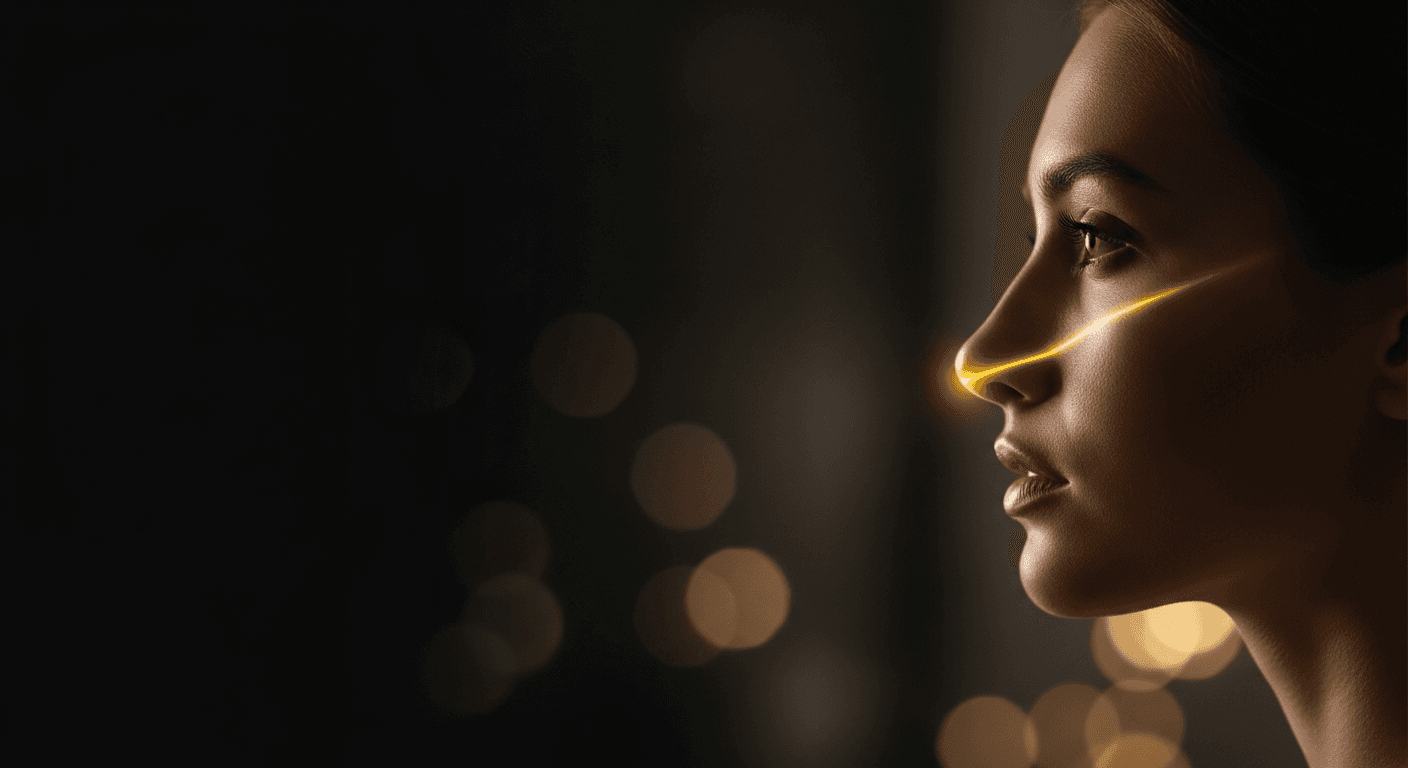
from €2,982
Rhinoplasty
Primary and revision nose surgery by board-certified surgeons
Medical References
- [1]JAMA Facial Plastic Surgery (2023). Patient satisfaction rates for rhinoplasty exceed 87%, making it one of the highest-satisfaction cosmetic procedures globally. doi:10.1001/jamafacial.2023.0145
- [2]Aesthetic Surgery Journal (2024). Piezo-assisted rhinoplasty reduces postoperative bruising by 40% and swelling by 35% compared to traditional osteotomy techniques. doi:10.1093/asj/sjad298
Is it safe?
Your hospital holds the same JCI accreditation as Cleveland Clinic and Johns Hopkins. Verified by TEMOS for international patient safety.
Will the price change?
Your price is locked before you book. Surgery, hospital, hotel, transfers, aftercare — one number, no extras.
What if something goes wrong?
Mandatory insurance required by Turkish law. If a revision is needed — flights, hospital, surgeon — covered. You never pay twice.
Who's my surgeon?
Confirmed before you pay. Full credentials, specialisation, and patient results shared upfront. No last-minute switch.
What happens after I fly home?
24/7 WhatsApp with your coordinator. Scheduled video check-ups with your surgeon. 12 months, not 12 days.
Treatment Options & Pricing
| Treatment | Price (EUR) | |
|---|---|---|
| Open Rhinoplasty Advanced rhinoplasty technique with full nasal framework exposure for complex reshaping, tip refinement, and revision cases. | €2,982 | Book Free Consultation |
| Rhinoplasty Comprehensive nose reshaping surgery | €2,982 | Book Free Consultation |
| Septorhinoplasty Combined cosmetic rhinoplasty and functional septoplasty — improves both appearance and breathing. | €2,982 | Book Free Consultation |
| Ethnic Rhinoplasty Nasal reshaping that respects the anatomy of thicker skin, softer cartilage and a wider alar base — refinement without erasing the features you were born with. | €3,582 | Book Free Consultation |
| Rhinoplasty Revision Correction of previous rhinoplasty results | €3,582 | Book Free Consultation |
Advanced rhinoplasty technique with full nasal framework exposure for complex reshaping, tip refinement, and revision cases.
Comprehensive nose reshaping surgery
Combined cosmetic rhinoplasty and functional septoplasty — improves both appearance and breathing.
Nasal reshaping that respects the anatomy of thicker skin, softer cartilage and a wider alar base — refinement without erasing the features you were born with.
Correction of previous rhinoplasty results
Popular Combination Packages
Rhinoplasty + Fat Transfer
€3,702
- Rhinoplasty
- Facial fat grafting
- Surgeon fee
- General anaesthesia
Rhinoplasty + Blepharoplasty
€4,070
- Rhinoplasty
- Upper or lower blepharoplasty
- Surgeon fee
- General anaesthesia
Rhinoplasty + Otoplasty
€4,082
- Rhinoplasty
- Otoplasty (ear reshaping)
- Surgeon fee
- General anaesthesia
Chin Implant + Rhinoplasty (profiloplasty)
€5,282
- Surgeon fee
- Operating theatre + general anaesthesia
- VIP airport transfers
- Pre-operative blood tests
Rhinoplasty + Facelift
€6,102
- Rhinoplasty
- Full SMAS facelift
- Surgeon fee
- General anaesthesia
Profiloplasty Plus
€6,177
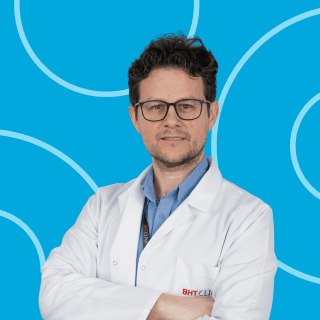
Your Surgeons at MedProper
Frequently Asked Questions (28)
How much does a nose job cost in Turkey in 2026?
At MedProper Istanbul, primary rhinoplasty starts from £2,556 (€2,982) for a closed approach and from £2,556 (€2,982) for an open approach. These are all-inclusive prices covering the surgeon, hospital, anaesthesia, hotel, transfers, and follow-up care. Prices vary between clinics, but MedProper offers the lowest clearly stated GBP pricing among established providers.
Is it safe to get a nose job in Turkey?
Yes, provided you choose a JCI-accredited hospital and a board-certified surgeon with extensive rhinoplasty experience. Turkey is one of the leading destinations for medical tourism globally, performing over 100,000 rhinoplasty procedures per year. The key is to research your clinic thoroughly. JCI accreditation, named surgeons, transparent pricing, and structured aftercare are non-negotiable criteria.
How long do you stay in Turkey after rhinoplasty?
The standard MedProper package includes 7 hotel nights. This allows time for pre-operative assessment (day 2), surgery (day 3), recovery and daily check-ups (days 4 to 6), and cast removal (day 6 or 7). Some patients choose to stay an extra day or two, but the standard stay is sufficient for the majority.
Is it better to get a nose job in the UK or Turkey?
Both countries have excellent surgeons. The main differences are cost, waiting times, and the all-inclusive service model. Rhinoplasty in Turkey costs up to 74% less than in the UK, with no NHS waiting list. The all-inclusive package eliminates the logistical burden of coordinating separate providers. The trade-off is that your long-term follow-up will be remote rather than face-to-face, though MedProper provides 12 months of video and WhatsApp follow-up.
Does rhinoplasty hurt?
The procedure itself is painless because it is performed under general anaesthesia. Post-operative discomfort is typically described as mild to moderate, similar to sinus pressure. Most patients manage comfortably with over-the-counter pain relief after the first 24 to 48 hours. The most commonly reported complaint is nasal congestion rather than pain.
What type of anaesthesia is used for rhinoplasty?
Rhinoplasty at MedProper is performed under general anaesthesia. A board-certified anaesthesiologist administers and monitors the anaesthesia throughout the procedure. You will be completely asleep and feel nothing during surgery.
Will I have visible scars after rhinoplasty?
With closed rhinoplasty, all incisions are inside the nostrils, so there are no visible scars. With open rhinoplasty, there is a small incision across the columella (the tissue between the nostrils) that heals to a faint, barely visible line within a few months. In the vast majority of cases, this scar is undetectable to others.
How long until I see the final result?
You will see an immediate difference when the cast comes off, but the nose will be swollen. Approximately 70 to 80% of swelling resolves within the first three months. The final result, particularly in the nasal tip, takes 12 to 18 months to fully emerge. Patients with thicker skin may need up to 24 months.
Can men get rhinoplasty?
Absolutely. Male rhinoplasty accounts for a growing proportion of procedures worldwide. The goals and techniques differ from female rhinoplasty: male patients typically want a straight, strong dorsal line rather than a slightly concave profile, and tip refinement must maintain a masculine aesthetic. MedProper surgeons have extensive experience with male rhinoplasty.
What is ethnic rhinoplasty?
Ethnic rhinoplasty is nose surgery that respects the patient cultural and ethnic identity while achieving the desired improvement. It requires specific techniques for different skin types and cartilage structures. MedProper surgeons work with patients from Middle Eastern, African, South Asian, and East Asian backgrounds, tailoring the approach to each individual.
What is the difference between rhinoplasty and septoplasty?
Rhinoplasty changes the external shape of the nose for cosmetic purposes. Septoplasty corrects a deviated septum to improve breathing. Septorhinoplasty combines both procedures in a single operation. If you have both cosmetic and functional concerns, septorhinoplasty is the most efficient and cost-effective option.
Can I get rhinoplasty on the NHS?
The NHS will consider rhinoplasty only if there is a documented functional problem such as a deviated septum causing significant breathing obstruction, and even then, waiting lists typically exceed 18 months. Cosmetic rhinoplasty is not available on the NHS. Many patients come to MedProper after being told their concerns are not eligible for NHS funding.
How do I finance my rhinoplasty?
MedProper accepts payment by bank transfer, credit card, and debit card. We do not currently offer direct financing plans, but many UK patients use medical finance providers such as Omni Capital, Chrysalis Finance, or credit card payment plans to spread the cost. Because our prices are significantly lower than UK equivalents, monthly payments are correspondingly more manageable.
Can I combine rhinoplasty with other procedures?
Yes. The most popular combinations are rhinoplasty with chin augmentation, blepharoplasty (eyelid surgery), or facelift. Combining procedures reduces total recovery time and cost compared to separate operations. Your surgeon will advise whether combination surgery is appropriate in your case.
What if I do not like the result?
During your consultation, significant effort goes into understanding your goals and setting realistic expectations. If a complication results in an unsatisfactory outcome, MedProper will perform a revision at no additional surgeon fee. If you simply change your mind about the aesthetic you originally requested, a revision would be treated as a new procedure with associated costs. This distinction is standard practice worldwide.
Do I need to speak Turkish?
No. All MedProper patient coordinators, nursing staff, and surgeons communicate in English. Your patient coordinator is available by WhatsApp and phone throughout your stay to assist with anything you need.
Can I wear glasses after rhinoplasty?
You should avoid wearing glasses that rest on the bridge of your nose for at least six weeks after surgery, as the weight can cause indentations in the healing bone and cartilage. Contact lenses are fine from day one. If you must wear glasses, your surgeon will advise on protective taping techniques to distribute the weight safely.
When can I exercise after rhinoplasty?
Light walking is encouraged from day one to promote circulation. Light gym work and non-impact cardio can typically resume at four weeks. Contact sports, swimming, and heavy weightlifting should be avoided for at least eight to twelve weeks. Your surgeon will give personalised guidance based on your procedure and healing progress.
What is the minimum age for rhinoplasty?
Nasal growth should be complete before surgery. This is typically around age 16 to 17 for women and 17 to 18 for men. Exceptions may be made in cases of significant functional impairment or post-traumatic deformity. Patients under 18 require parental consent.
Can I smoke after rhinoplasty?
Smoking must be stopped at least four weeks before surgery and at least four weeks after. Nicotine constricts blood vessels, impairs healing, increases infection risk, and can lead to skin necrosis. Vaping and nicotine patches carry similar risks. If you cannot stop smoking for this period, your surgeon may recommend postponing the procedure.
What is ultrasonic (Piezo) rhinoplasty?
Piezo rhinoplasty uses high-frequency ultrasonic vibrations to reshape nasal bone, rather than traditional manual instruments. The ultrasonic device selectively cuts bone while preserving surrounding soft tissue, resulting in less bruising, less swelling, and more precise bone contouring. It is particularly effective for dorsal hump removal. Not all noses require piezo instrumentation, and your surgeon will advise whether it adds value in your case.
What is preservation rhinoplasty?
Preservation rhinoplasty is a modern approach that lowers the nasal dorsum by repositioning the existing bone and cartilage framework, rather than removing the hump and reconstructing. It preserves the natural tissue layers, often resulting in a smoother, more natural-looking dorsal line with potentially faster swelling resolution. It is best suited to patients with a moderate dorsal hump and good skin quality.
Will rhinoplasty fix my breathing problems?
Rhinoplasty alone is primarily a cosmetic procedure. If your breathing problems are caused by a deviated septum, enlarged turbinates, or internal valve collapse, your surgeon will recommend septorhinoplasty or specific functional techniques to address both appearance and airflow. Many patients experience significant improvement in nasal breathing after septorhinoplasty.
Can I get a revision of a nose job I had elsewhere?
Yes. MedProper regularly performs revision rhinoplasty for patients who are unhappy with results from previous surgeries performed in the UK, Europe, or elsewhere. Revision surgery is more complex and is priced from £3,070 (€3,582). Your surgeon will need to review your surgical records and a CT scan to plan the revision accurately.
How long is the surgery?
Primary rhinoplasty typically takes between 1.5 and 2.5 hours. Septorhinoplasty and revision rhinoplasty may take 2.5 to 4 hours depending on complexity. You will be under general anaesthesia for the duration and will not be aware of the passage of time.
How much does rhinoplasty in Turkey cost for US patients?
At MedProper, primary rhinoplasty starts from $3,224 (open) and $3,224 (closed) — all-inclusive with surgeon, hospital, anaesthesia, hotel, transfers, and follow-up. In the USA, the same procedure typically costs $7,000 to $15,000 for the surgeon fee alone. Including a round-trip flight from New York ($400–$700), the total cost of rhinoplasty in Turkey is roughly 54–78% less than in the United States.
Why is rhinoplasty so cheap in Turkey?
Turkey's lower cost of living and operating expenses, combined with a favourable currency exchange rate and extraordinarily high procedure volume, enable clinics to offer world-class results at lower prices. Turkish rhinoplasty surgeons are not paid less in purchasing power — the entire cost structure is different. Istanbul performs more rhinoplasties per year than any other city globally, and this volume supports a highly efficient medical tourism infrastructure.
Are nasal implants used?
MedProper surgeons prefer to use the patient own cartilage (from the septum, ear, or in rare cases, rib) for grafting and structural support. Autologous cartilage integrates naturally with the body and does not carry the risks associated with synthetic implants, such as infection, extrusion, or displacement. Silicone or Gore-Tex implants are generally reserved for very specific cases and are discussed only when the surgeon believes they are the best option.
Ready to Start Your Journey?
Get a personalised treatment plan with transparent pricing. No hidden fees, no obligations.
Related Procedures
Explore other procedures performed at MedProper Istanbul — often combined for comprehensive results.