Restorative Dentistry
Root Canal Revision
Re-treatment of a previously root canal treated tooth that has reinfected
Is it safe?
Your hospital holds the same JCI accreditation as Cleveland Clinic and Johns Hopkins. Verified by TEMOS for international patient safety.
Will the price change?
Your price is locked before you book. Surgery, hospital, hotel, transfers, aftercare — one number, no extras.
What if something goes wrong?
Mandatory insurance required by Turkish law. If a revision is needed — flights, hospital, surgeon — covered. You never pay twice.
Who's my surgeon?
Confirmed before you pay. Full credentials, specialisation, and patient results shared upfront. No last-minute switch.
What happens after I fly home?
24/7 WhatsApp with your coordinator. Scheduled video check-ups with your surgeon. 12 months, not 12 days.
Medical References
- [1]Dental Materials (2023). Modern composite resin restorations demonstrate an annual failure rate of only 1.8%, with CAD/CAM-fabricated inlays showing the highest longevity. doi:10.1016/j.dental.2023.04.009
What is Root Canal Revision?
Root canal revision (retreatment) is a procedure to re-treat a tooth where a previous root canal has failed or developed a new infection. This involves reopening the tooth, removing the old filling material, re-cleaning and re-shaping the canals, and re-sealing them. It is often the best option to save a tooth before considering extraction and implant. At MedProper Istanbul, retreatments are performed by experienced endodontists using magnification and ultrasonic instruments.
How Does Root Canal Revision Work?
- 1Diagnostic X-rays and possibly a CBCT scan identify the cause of failure: missed canals, inadequate seal, new decay, or persistent infection.
- 2Under local anaesthesia, the existing crown or filling and old root canal material are carefully removed.
- 3Using magnification (dental microscope or loupes) and ultrasonic instruments, the canals are thoroughly re-cleaned, including any previously missed anatomy.
- 4The canals are reshaped, disinfected, and re-sealed with gutta-percha.
- 5The access is restored with a filling, and a new crown is recommended to protect the re-treated tooth.
Who is a Good Candidate for Root Canal Revision?
- Patients with persistent pain or infection around a previously root-canal-treated tooth
- Individuals with a new cavity or crown leakage that has re-contaminated a treated tooth
- Those whose original root canal left missed canals or inadequate filling
- Patients who want to attempt saving the tooth before considering extraction and implant
Why Choose Root Canal Revision at MedProper?
Tooth Preservation
Retreatment gives the tooth a second chance, potentially saving it for many more years and avoiding the cost of extraction plus implant.
Microscope-Assisted Precision
Magnification reveals missed canals, cracks, and complex anatomy that may have been overlooked in the original treatment.
Updated Techniques
Modern rotary files, ultrasonic tips, and advanced irrigating solutions improve the outcome beyond what older techniques achieved.
Affordable Option
At EUR 180 at MedProper, retreatment is significantly less expensive than extraction followed by implant placement.
What is the Recovery Timeline?
Days 1-3
Post-Treatment Soreness
The tooth and surrounding area may be tender due to the more extensive instrumentation. Pain medication manages discomfort effectively.
Days 4-7
Healing Progresses
Tenderness reduces. Continue soft diet on the treated side. Follow prescribed antibiotics if infection was present.
Weeks 2-4
Crown Restoration
Once symptoms resolve, a new crown should be placed to seal and protect the tooth for long-term function.
Quick Facts
Duration
60-120 minutes
Hospital Stay
Outpatient clinic
Recovery
2-5 days tenderness
Permanence
Permanent (with crown)
Anaesthesia
Local
Results Visible
Pain relief within days
Frequently Asked Questions
Common reasons include missed canals (many teeth have complex hidden anatomy), incomplete cleaning or sealing, new decay under the crown, or a crack in the root. Modern techniques address these issues more effectively.
Not necessarily. The tooth is fully anaesthetised. Because the nerve was already removed, the tooth itself has no sensation. Some post-operative soreness may be slightly greater due to the additional instrumentation.
If retreatment is unsuccessful, options include an apicoectomy (surgical removal of the root tip) or extraction followed by an implant. Your MedProper dentist will discuss all options before starting.
Published success rates for retreatment range from 75-90%, depending on the cause of failure and the complexity of the case. Cases performed with microscopic magnification tend to have higher success rates.
Last medically reviewed: April 2026
Quick Facts
- Duration
- 60-120 minutes
- Hospital Stay
- Outpatient clinic
- Recovery
- 2-5 days tenderness
- Permanence
- Permanent (with crown)
- Anaesthesia
- Local
- Results Visible
- Pain relief within days
What's Included
- Private hospital stay
- Hotel for the nights in your plan
- VIP airport transfers
- Compulsory medical-tourism insurance
- All medications & dressings
- Compression garments
- 12-month follow-up care
- 24/7 patient coordinator
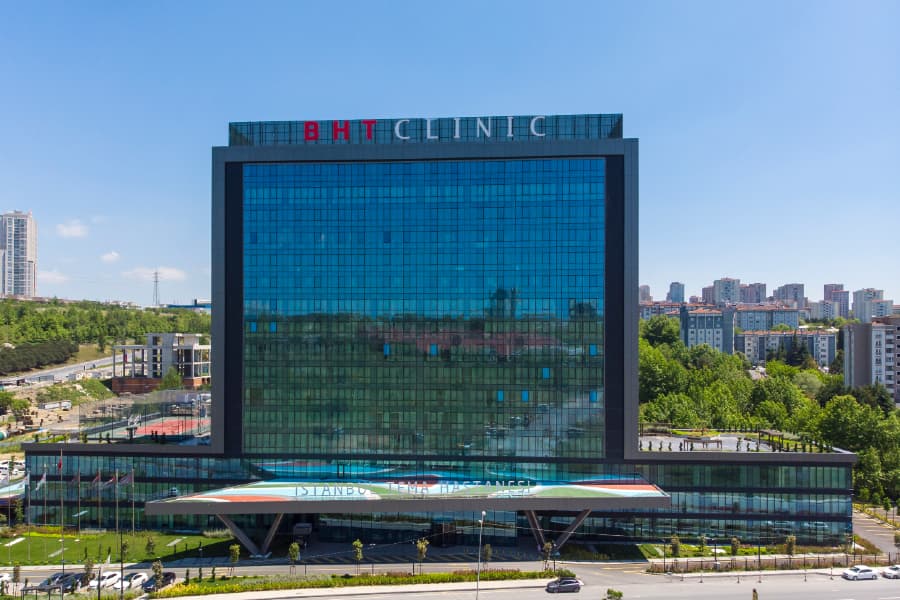
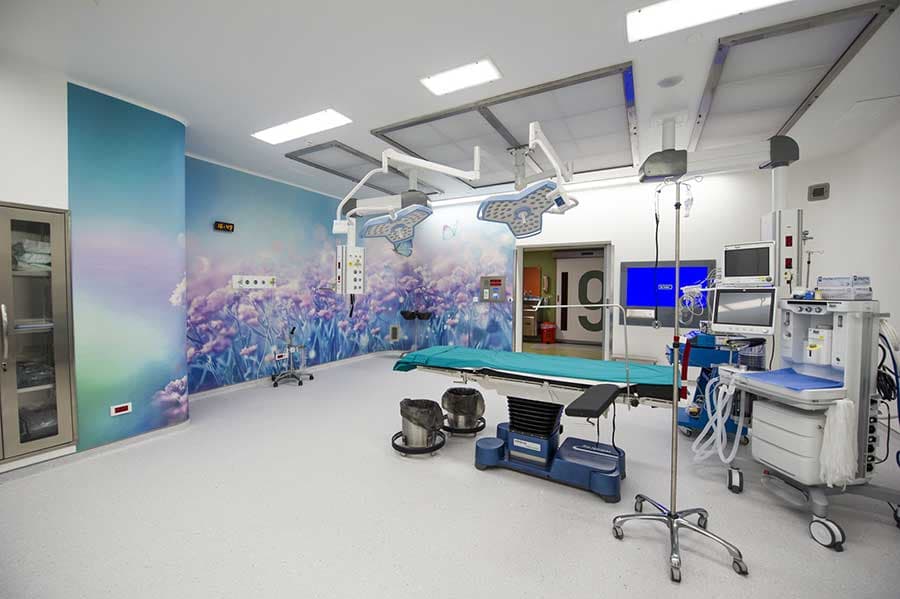
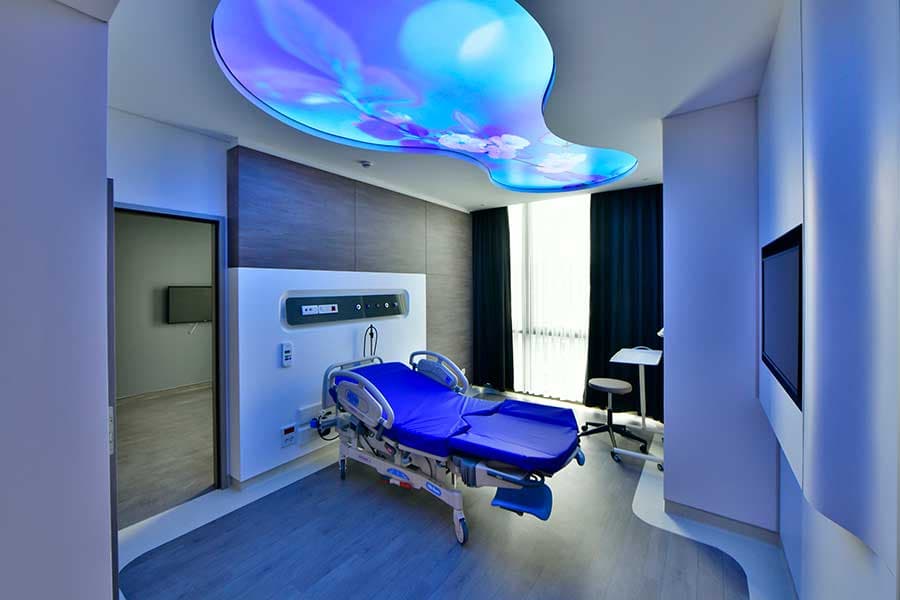
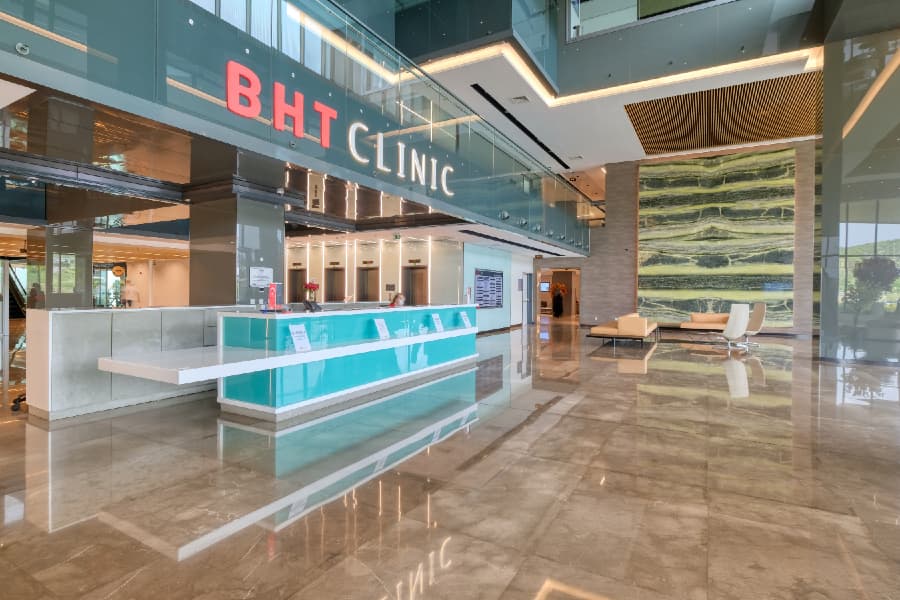
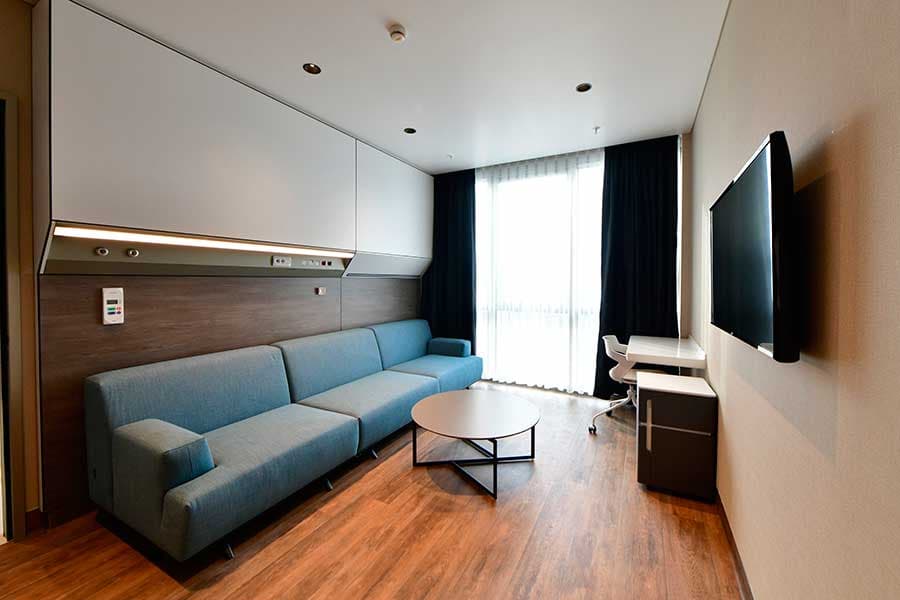
Where Your Surgery Takes Place
A JCI & TEMOS-Accredited Hospital in Istanbul
Your procedure is performed at a 45,000 m² state-of-the-art hospital with 12 operating rooms, advanced surgical technology, and VIP patient suites. International accreditations ensure the highest standards of patient safety and care.

Related Treatments
Ready to Start Your Journey?
Get a personalised treatment plan with transparent pricing. No hidden fees, no obligations.